
Hyperbaric Oxygen Chamber FAQs
Clear answers to the questions people ask before using, comparing or purchasing a hyperbaric oxygen chamber—from HBOT basics, ATA pressure and oxygen concentration to safety, home use, commercial projects, installation, maintenance and long-term ownership.
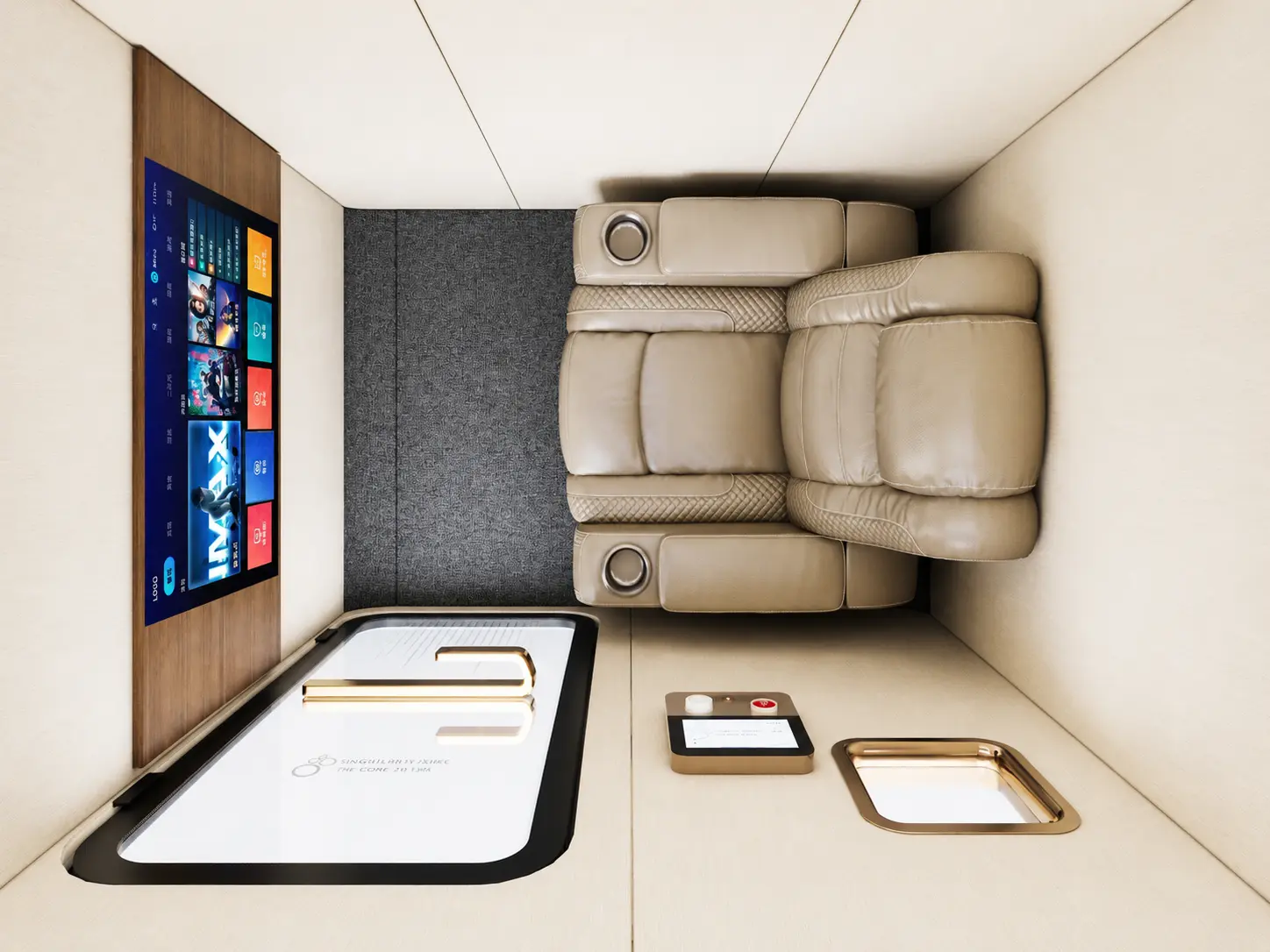
Use the search box below to find the answer directly.
Learn pressure, oxygen, chamber types and the difference between medical HBOT and wellness use.
Understand sessions, ear pressure, personal suitability and essential hyperbaric safety principles.
Compare capacity, pressure, room size, oxygen delivery, home use and commercial requirements.
Understand installation, maintenance, cleaning, project support and after-sales considerations.
Find the Answer You Need
Search by keyword or choose a category. All questions remain available on the page for easy reading, search engines and AI-powered search systems.
HBOT & Hyperbaric Chamber Basics
Fundamental questions about what hyperbaric oxygen is, how a chamber works and how different types of hyperbaric use differ.
What is hyperbaric oxygen therapy (HBOT)?
Hyperbaric oxygen therapy, or HBOT, is a medical treatment in which a person breathes oxygen while exposed to pressure above normal atmospheric pressure. The combination of oxygen and increased pressure increases oxygen availability in the blood and tissues.
Medical HBOT uses defined clinical protocols and professional supervision. General wellness hyperbaric use should not automatically be considered equivalent to medical HBOT.
Read: What Is Hyperbaric Oxygen Therapy? →What is a hyperbaric oxygen chamber?
A hyperbaric chamber is a pressure-controlled enclosure designed to operate above normal atmospheric pressure. Depending on the system, one person or several people may sit, recline or lie inside while oxygen is delivered according to the chamber design.
Chambers vary considerably in size, structure, pressure capability, oxygen-delivery method, intended use and user capacity.
How does hyperbaric oxygen work?
Increasing ambient pressure raises the partial pressure of oxygen. Under hyperbaric conditions, more oxygen can dissolve directly into blood plasma in addition to the oxygen carried by hemoglobin.
Pressure also affects gas volume, which is clinically important in conditions such as decompression sickness and gas embolism. The biological effects depend on pressure, oxygen dose, exposure time and protocol.
Is breathing oxygen at normal pressure the same as HBOT?
No. Supplemental oxygen at normal atmospheric pressure increases the oxygen concentration a person breathes, but HBOT adds increased ambient pressure.
Pressure changes oxygen partial pressure and the amount of oxygen that can dissolve into plasma. This is why hyperbaric oxygen cannot be accurately described simply as “breathing extra oxygen.”
What is the difference between monoplace, multiplace and room-style chambers?
A monoplace chamber is designed for one person. A multiplace medical chamber accommodates two or more people and may allow clinical personnel to remain inside.
A room-style chamber describes a spacious cabin-type layout that can offer seated or reclining positions for one or several users. Its medical or wellness status depends on the specific equipment, intended use and market.
What is the difference between soft and hard hyperbaric chambers?
Soft chambers use flexible pressure-retaining materials and are usually lighter and easier to move. Hard chambers use rigid pressure-resistant structures such as metal and acrylic or other engineered materials.
Hard room-style systems can provide more interior space, rigid doors, integrated seating and higher pressure capabilities depending on the model. Neither category should be judged by shell material alone; compare the complete pressure, oxygen and safety system.
What is the difference between medical HBOT and wellness hyperbaric use?
Medical HBOT involves a diagnosed clinical indication, defined treatment pressure and oxygen dose, an appropriate medical device, treatment protocol and professional supervision.
Wellness hyperbaric use is focused on general well-being, relaxation and recovery-oriented routines. Ueerl currently positions its chambers for wellness and general well-being rather than diagnosis or treatment of disease.
Explore Oxygen Wellness & Healthy Living →What are hyperbaric chambers used for?
The answer depends on the type of chamber and intended use. Physician-directed medical HBOT is used for selected recognized conditions such as decompression sickness, gas embolism, carbon monoxide poisoning and certain wound or tissue injuries.
Non-medical room-style chambers may instead be incorporated into home wellness, recovery, fitness, spa, hotel or lifestyle environments without making medical-treatment claims.
Pressure, ATA & Oxygen FAQs
Understand ATA, kPa, oxygen concentration, oxygen flow and how to compare chamber specifications correctly.
What does ATA mean in a hyperbaric chamber?
ATA means atmospheres absolute. One ATA is approximately normal atmospheric pressure at sea level. A chamber operating at 1.5 ATA is at approximately one and a half times normal absolute pressure.
ATA includes the atmospheric pressure already surrounding us, which is why it should not be confused directly with gauge-pressure readings.
What is the difference between kPa and ATA?
Both are units used to describe pressure, but manufacturers do not always state them in the same way.
ATA normally describes absolute pressure, while chamber specifications stated in kPa may describe gauge pressure above local atmospheric pressure. Always check whether the listed kPa value is gauge or absolute before making a direct comparison.
What is the difference between 1.3 ATA, 1.5 ATA and 2.0 ATA?
The numbers represent different absolute pressure levels. Approximately, 1.3 ATA corresponds to about 30 kPa above atmospheric pressure, 1.5 ATA to about 51 kPa above atmosphere and 2.0 ATA to about 101 kPa above atmosphere.
The practical significance depends on oxygen delivery, session protocol and intended use. Pressure should never be evaluated as an isolated marketing number.
Is a higher ATA always better?
No. More pressure does not automatically mean a chamber is better, safer or more suitable.
Appropriate pressure depends on the application, chamber engineering, oxygen-delivery method, user circumstances and, in medical HBOT, the prescribed clinical protocol. Buyers should compare pressure capability together with oxygen system, structure, controls, safety and intended use.
Does 93% ±3% oxygen mean the entire chamber contains 93% oxygen?
No. On Ueerl systems that specify 93% ±3% oxygen, this figure refers to the oxygen generator output concentration.
It describes concentrated oxygen delivered through the configured oxygen-delivery system. It does not mean that the entire room-style chamber atmosphere is maintained at 93% oxygen.
What does “oxygen concentrator output 93% ±3%” mean?
Oxygen concentrators separate oxygen from surrounding air and produce an oxygen-enriched output stream. A specification of approximately 93% ±3% describes the concentration of oxygen produced by that system under appropriate operating conditions.
Actual performance should be assessed according to the manufacturer's specified environmental, maintenance and operating requirements.
What does oxygen flow rate such as 5 L/min, 10 L/min or 20 L/min mean?
Oxygen flow describes the volume of oxygen-enriched gas supplied per minute through the oxygen-delivery system.
Required flow depends on chamber design, number of oxygen outlets, number of users, masks or other breathing systems and the intended configuration. A larger flow figure should therefore be interpreted together with user capacity and delivery method.
What are BIBS, oxygen masks and nasal cannulas?
These are different ways of delivering oxygen to a user. A nasal cannula delivers oxygen through small nasal prongs. A mask covers the nose and mouth.
BIBS means Built-In Breathing System and generally uses a dedicated mask or breathing interface to supply oxygen and manage exhaled gas. Availability depends on chamber model and configuration.
Session & User Experience FAQs
What users commonly want to know before entering a hyperbaric chamber for the first time.
How long does a hyperbaric oxygen session last?
There is no universal session length. Physician-directed medical HBOT sessions commonly last around 90 minutes to two hours, but protocols vary by medical indication.
Wellness chamber session length should follow the selected chamber's instructions and appropriate professional or manufacturer guidance rather than copying a medical protocol from the internet.
How often should I use a hyperbaric chamber?
There is no single schedule appropriate for every user. Frequency depends on intended use, pressure, oxygen-delivery method, session duration, individual health and applicable guidance.
Medical HBOT schedules are determined by healthcare professionals. General wellness users should follow the chamber instructions and avoid treating a generic online schedule as individualized medical advice.
What does it feel like inside a hyperbaric chamber?
The most noticeable sensation usually occurs while pressure is increasing or decreasing. The ears may feel full or need to “pop,” similar to the sensation during airplane takeoff or landing.
Once target pressure is reached, many users simply sit or recline while the pressure remains stable. Comfort varies according to cabin size, seating, temperature, noise and personal preference.
How do I equalize ear pressure inside a chamber?
Common pressure-equalization techniques include swallowing, yawning or other appropriate methods used during changes in altitude.
If ear pain or difficulty equalizing occurs, pressure should not simply be forced higher. Follow chamber operating procedures and seek appropriate professional advice if pressure-related ear problems persist.
What can I do inside a room-style hyperbaric chamber?
Depending on the chamber, approved equipment and safety rules, users may recline, rest, talk with a companion, listen to approved entertainment or use integrated entertainment features supplied with the chamber.
Do not bring personal electronics, batteries, heating devices or other items into a chamber unless they are specifically permitted by the chamber manufacturer and operating procedure.
Can I sleep inside a hyperbaric chamber?
Some users become relaxed or sleepy during a session, but whether sleeping is appropriate depends on the chamber type, supervision, operating procedure and individual circumstances.
Users should remain able to respond to instructions and should never use a chamber in a way that conflicts with the manufacturer's monitoring and safety requirements.
Does it get hot or noisy inside a hyperbaric chamber?
Pressurization equipment produces sound and compressed air can affect cabin temperature. The experience varies widely between chamber designs.
Premium room-style chambers may include air conditioning, air circulation, insulation, quieter host systems and interior comfort features. Buyers who plan frequent sessions should evaluate actual operating noise and climate management rather than chamber appearance alone.
How do people usually feel after a session?
Individual experiences vary. Medical sources note that some people may feel tired or hungry after HBOT, while many can return to normal daily activities.
Any unusual symptoms, persistent ear pain, breathing difficulty, neurological symptoms or other significant concerns should not be dismissed as a normal wellness response and should receive appropriate professional evaluation.
Hyperbaric Safety FAQs
Important safety questions should be answered before discussing wellness benefits or purchasing equipment.
Is hyperbaric oxygen therapy safe?
HBOT is generally considered safe when appropriately prescribed, operated and monitored, but it is not risk-free.
Safe use depends on correct equipment, controlled pressure, oxygen management, screening, fire prevention, training, monitoring, cleaning and maintenance. The FDA specifically emphasizes following each device's instructions for use and manufacturer-recommended safety procedures.
FDA Hyperbaric Safety Guidance ↗What are the possible side effects of HBOT?
Potential effects include ear discomfort or barotrauma, sinus pressure, temporary changes in vision, claustrophobia and changes related to oxygen exposure.
Less common but more serious complications can include lung injury or oxygen-related seizures. Risk depends on pressure, oxygen exposure, treatment duration, individual health and protocol.
Who should not use a hyperbaric chamber without medical review?
Anyone with a medical condition, significant lung disease, ear or sinus problems, pregnancy, fever or acute respiratory illness, implanted medical devices, recent surgery, medication concerns or uncertainty about pressure exposure should seek appropriate professional guidance first.
Suitability must be individualized rather than determined by a generic online checklist.
Why is pneumothorax an important hyperbaric concern?
A pneumothorax is air trapped between the lung and chest wall. Pressure changes can make trapped gas clinically dangerous, particularly during decompression.
An untreated pneumothorax is widely regarded as a major contraindication to medical HBOT. Anyone with known or suspected lung problems should receive qualified medical assessment before hyperbaric exposure.
Can pregnant people use a hyperbaric chamber?
Pregnancy should be discussed with an appropriate healthcare professional before any elective hyperbaric or oxygen-wellness use.
Medical emergencies may involve very different risk-benefit decisions from elective wellness sessions, so advice intended for one situation should not automatically be applied to another.
Can children use a hyperbaric chamber?
Children should not be treated as simply smaller adult users. Suitability, supervision, pressure equalization, ability to communicate discomfort and intended use require careful consideration.
Any medical use in a child should be directed by qualified healthcare professionals. For wellness use, follow applicable product instructions and local requirements.
What about medications, pacemakers or implanted medical devices?
Medications and implanted devices should be reviewed before hyperbaric exposure when there is any uncertainty. Device suitability may depend on its pressure rating, manufacturer testing and the planned pressure.
Do not assume that an implant, pump, electronic device or medication is compatible simply because another person has used HBOT with a similar product.
Can I bring my phone, smartwatch, cosmetics or regular clothing into the chamber?
Only items permitted by the specific chamber's operating and fire-safety rules should enter. FDA guidance emphasizes controlling potentially prohibited electrical and static-generating items and using hyperbaric-compatible clothing.
Medical facilities may also prohibit lotions, hair products, makeup, battery-powered devices, lighters and other ignition-related items. Follow the rules for the actual chamber being used.
Home & Commercial Use FAQs
Questions for private buyers, wellness centers, clinics, hotels, gyms, spas and other project planners.
Can I install a hyperbaric chamber at home?
Yes, selected hyperbaric chambers can be planned for private residential wellness environments.
Consider the final room dimensions, doorway and elevator access, host equipment, floor conditions, electrical supply, ventilation, maintenance clearance and user capacity. The room should be reviewed before the chamber is selected, not after production has already started.
Explore Private Home Chambers →What is the difference between home and commercial hyperbaric use?
Home projects usually prioritize personal convenience, privacy, quiet operation, comfort and interior integration.
Commercial projects also need to plan client capacity, booking flow, staff operation, cleaning between users, maintenance schedules, service continuity, branding and future growth.
Compare Home vs Commercial Use →Does “commercial hyperbaric chamber” mean “medical chamber”?
No. Commercial describes the business environment in which equipment is used. It does not determine medical regulatory status.
A chamber in a spa, gym, resort or wellness center may be offered for general wellness rather than medical treatment. Medical use depends on the specific equipment's intended use, legal classification, clinical protocol, facility requirements and destination-market regulations.
Should I choose a single-person, two-person or multi-user chamber?
Choose around actual capacity requirements. Single-user chambers work well for private personal use or exclusive one-to-one bookings.
Two-person chambers support couples, family members or companion sessions. Four-person and larger chambers can improve simultaneous capacity for commercial facilities. Bigger is not automatically better if the room, user volume or service model does not require it.
Are hyperbaric chambers suitable for spas, gyms, hotels and wellness centers?
Room-style wellness chambers can be incorporated into appropriately planned spas, fitness centers, hotels, resorts and wellness facilities.
Each environment has different priorities: spas may focus on privacy and aesthetics, gyms on recovery-area workflow, hotels on guest experience and wellness centers on appointment capacity and repeatable operation.
Explore Ueerl Industry Solutions →Can a chamber be used repeatedly throughout a commercial day?
Commercial utilization should be planned according to the selected system's rated operating conditions, cooling, filtration, cleaning, inspection and maintenance requirements.
A facility expecting frequent sessions should discuss daily booking volume before selecting a chamber. Session capacity is an operational design question, not simply a matter of buying the largest model available.
Can hyperbaric chambers be used at high altitude?
High-altitude projects require additional consideration because local atmospheric pressure differs from sea level. Chamber controls, pressure references, oxygen generation and the intended operating environment should all be reviewed.
Ueerl also offers project configurations specifically positioned for high-altitude commercial wellness environments. The correct solution should be selected using the actual site altitude and technical requirements.
Can a room-style chamber be installed in an already-finished home or business?
It may be possible when the selected chamber has a suitable modular structure and the access route has been reviewed in advance.
Doorways, elevators, corridors, stairs, turning areas, ceiling height, floor loading and final assembly space must all be checked. Modular construction can reduce access limitations, but it does not eliminate the need for a site assessment.
Hyperbaric Chamber Buying FAQs
The questions buyers should ask before comparing quotations or committing to a chamber.
How do I choose the right hyperbaric oxygen chamber?
Start with intended use, number of users, room size, access route, desired pressure capability, oxygen delivery, seating preference, daily utilization, destination country and budget.
Then compare structural design, control system, safety features, filtration, climate management, service support, installation method and documentation. A chamber should solve the complete project, not simply win a specification comparison.
Compare Ueerl Chamber Models →How much room do I need for a hyperbaric chamber?
Do not calculate installation space using the chamber dimensions alone. Allow for user entry, external host equipment, air conditioning where applicable, service clearance, airflow, electrical connections and safe circulation around the equipment.
Before choosing a model, provide room dimensions and photos or video of the complete access route.
How important is maximum chamber pressure when choosing a model?
Pressure is important, but it is only one part of chamber selection.
A buyer should also evaluate oxygen delivery, chamber volume, capacity, structural design, comfort, control, safety, daily utilization, installation and intended use. Buying purely on the highest ATA figure can lead to a chamber that does not fit the actual project.
What specifications should I compare between hyperbaric chambers?
Useful comparison points include operating pressure, user capacity, internal dimensions, oxygen flow, oxygen generator output, oxygen delivery method, structure and wall thickness, controls, safety systems, air filtration, noise, climate control, electrical requirements and installation method.
Also compare certification scope, warranty, spare-parts availability, installation support and after-sales service.
How much does a hyperbaric oxygen chamber cost?
There is no meaningful universal price because chamber designs range from compact systems to large multi-user room-style projects.
Final cost can depend on capacity, pressure configuration, oxygen system, materials, seating, climate control, optional features, customization, voltage, packaging, freight, import costs, installation and destination country. For accurate comparison, request quotations based on the same project requirements.
What should be included in a hyperbaric chamber quotation?
Confirm the exact chamber model and configuration, host system, oxygen-generation equipment, standard accessories, optional accessories, voltage, pressure version, packaging, customization and warranty.
Also clarify freight, insurance, customs, local delivery, installation, commissioning, training and after-sales service because these may be included or quoted separately depending on the project.
Can a hyperbaric chamber be customized?
Yes. Depending on chamber series and project, customization may include exterior finish, interior materials, seating, lighting, branding, oxygen outlets, BIBS, control functions and other project-specific options.
Commercial buyers should define customization before production because later changes can affect structure, electrical systems, lead time and cost.
What certifications should I check before buying a hyperbaric chamber?
First determine whether you are reviewing company-level quality systems, product-level compliance documents or local project requirements.
Documents may include quality-management certifications and applicable CE, FCC, RoHS or other product documentation. Medical-market requirements are different. Always verify that a certificate applies to the exact model, configuration and destination market.
Review Certifications & Safety Standards →Do I need a prescription to buy or use a hyperbaric chamber?
Prescription and purchase requirements depend on the equipment's regulatory classification, intended use and the laws of the destination country.
Rules that apply to an FDA-cleared medical HBOT device in the United States should not automatically be assumed to apply to every wellness device or every international market. Buyers should verify local requirements before purchase or use.
Installation & Technical FAQs
Practical questions that should be solved before chamber production and delivery.
Can a Ueerl room-style chamber pass through an 80 cm doorway?
Selected Ueerl modular room-style configurations can support installation through doorways around 80 cm wide in suitable projects.
This does not mean every model or every building is automatically compatible. Door height, corridor width, turning radius, elevator dimensions, stairs and final assembly space must also be checked.
What information should I provide for an installation assessment?
Provide final room length, width and height, doorway dimensions, corridor width, elevator interior and door dimensions, stair information and installation floor.
Photos or a continuous video showing the route from the building entrance to the final room are especially useful. Also provide voltage, room ventilation information and any access limitations.
Does floor loading need to be considered?
Yes, especially for large rigid room-style chambers. Chamber weight, occupants, host equipment and load distribution should be considered together.
Ueerl can provide product weight information, but determining whether a particular building structure can carry that load may require review by the property's qualified structural professional.
What electrical supply does a hyperbaric chamber need?
Electrical requirements depend on the exact chamber, host unit, oxygen-generation system, air conditioning and optional equipment.
Ueerl offers configurations for different international voltage and plug standards. Country, voltage and frequency should be confirmed before production rather than relying on adapters after delivery.
Does a hyperbaric chamber room need ventilation?
Room ventilation and environmental conditions should be evaluated as part of installation planning. Supporting equipment produces heat and the room must remain suitable for both equipment and occupants.
Commercial or medically regulated installations may have additional ventilation, oxygen, fire-code or facility requirements that must be reviewed locally.
Do room-style chambers need air conditioning or condensate drainage?
Climate management depends on model and configuration. Larger room-style chambers may include dedicated temperature-control systems to improve comfort.
Some Ueerl configurations also use self-evaporating condensate-management designs to reduce frequent manual drainage. The exact AC system, installation arrangement and service access should be confirmed for the selected model.
How long does hyperbaric chamber installation take?
Installation time varies substantially by chamber size, modularity, site access, floor level, assembly conditions, electrical preparation and project scope.
A small straightforward installation is very different from assembling a large multi-user chamber inside a completed commercial property. Ueerl prepares the installation approach according to the actual site and selected configuration.
Does Ueerl provide installation, commissioning and training?
Ueerl can provide installation guidance, technical support, commissioning arrangements, operating instruction and training according to chamber model, destination and agreed project scope.
On-site arrangements can be discussed for applicable projects. Buyers should confirm the exact installation and training scope in the quotation or sales agreement.
View Real Installation Cases →Maintenance, Warranty & Ueerl Support FAQs
Questions about long-term chamber care, international projects and Ueerl product support.
What maintenance does a hyperbaric oxygen chamber require?
Maintenance should follow the exact manufacturer's schedule. Typical ownership responsibilities include regular cleaning, checking seals and connections, monitoring filters, inspecting hoses and oxygen-delivery components, checking operating conditions and completing scheduled technical inspections.
Commercial facilities should use a documented preventive-maintenance routine rather than waiting for a malfunction before servicing equipment.
How should a hyperbaric chamber be cleaned?
Use only cleaning materials and procedures approved for the specific chamber. Interior surfaces, seating and user-contact areas should be kept clean, particularly when multiple people use the chamber.
Avoid introducing unapproved chemicals, flammable products or materials that could damage acrylic, seals, coatings or oxygen-system components. Commercial facilities should establish a repeatable cleaning process between users.
What consumables or components may need replacement over time?
Depending on the chamber, long-term service items may include air filters, oxygen-system filters, breathing accessories, seals, tubing and other wear components.
Replacement intervals depend on operating hours, environmental conditions and manufacturer instructions. Buyers should ask about consumables and spare-parts availability before purchasing a chamber.
What happens if I need spare parts or technical support?
Long-term service capability should be part of the purchasing decision. Ueerl supports customers with technical communication, troubleshooting guidance, maintenance information and replacement-part coordination according to the product and project.
Keep the model, serial information, purchase documents and clear photos or videos available when contacting technical support.
What warranty does Ueerl provide?
Warranty terms depend on the chamber, components, order configuration and sales agreement. Selected Ueerl chamber products are offered with a three-year warranty.
Always confirm the written warranty scope, covered components, exclusions, service procedure and shipping responsibility in the official quotation or contract for the actual order.
Does Ueerl ship hyperbaric chambers internationally?
Ueerl supports international chamber projects, but shipping arrangements depend on chamber dimensions, destination, packaging, freight method, import requirements and installation scope.
Buyers should clarify freight, insurance, customs clearance, duties, taxes, local delivery and installation responsibilities before finalizing the order.
What hyperbaric chamber sizes does Ueerl offer?
Ueerl's current range covers compact single-user, room-style single-user, two-person, four-person and larger multi-user configurations.
Current product families include the C2, V Series, H Series and U Series, with models designed for different pressure, capacity, comfort and project requirements. Custom OEM and ODM chamber projects can also be discussed.
View All Ueerl Hyperbaric Chambers →What information should I send Ueerl to get an accurate quotation?
Send your country or region, intended application, preferred user capacity, room dimensions, doorway width, installation floor, elevator or stair information, local voltage, preferred pressure range and customization needs.
If possible, include photos or video of the room and access route. This allows model recommendation, installation planning and quotation to be based on the real project rather than assumptions.
Request a Chamber Recommendation →Try another keyword, browse all categories, or send your question directly to Ueerl.
Explore the Complete Ueerl Knowledge Center
The FAQ page answers individual questions. These guides provide deeper context when you need to understand science, compare applications or plan a project.
What Is Hyperbaric Oxygen Therapy?
Learn how pressure and oxygen work, medical uses, risks, chamber types and evidence.
Read the HBOT Guide → BUYING DECISIONHome vs Commercial Use
Compare privacy, capacity, workflow, maintenance and long-term project requirements.
Compare Home & Commercial → WELLNESS EDUCATIONOxygen Wellness & Healthy Living
Understand where oxygen wellness fits alongside sleep, movement, nutrition and recovery.
Explore Oxygen Wellness → CHAMBER SELECTIONHyperbaric Chamber Models
Compare single-user, two-person, four-person and larger room-style configurations.
View All Chambers → PRIVATE HOMEHome Hyperbaric Chambers
Explore residential space planning, privacy, capacity and modular installation.
Explore Home Solutions → PROFESSIONAL PROJECTSHyperbaric Chambers for Clinics
Plan room layout, capacity, staff workflow and project requirements.
Explore Clinic Solutions → REAL INSTALLATIONSInstallation & Customer Cases
See how real chamber projects are planned for homes and commercial environments.
View Installation Cases → SAFETY & QUALITYCertifications & Safety Standards
Review certification documents, quality systems and safety-focused engineering.
Review Certifications →This FAQ Separates Wellness Information From Medical HBOT
Ueerl hyperbaric oxygen chambers are currently positioned for wellness and general well-being purposes. They are not presented on this website as medical devices intended to diagnose, treat, cure or prevent disease.
Questions about treating a medical condition, contraindications, medication interactions or individualized HBOT protocols should be discussed with appropriately qualified healthcare professionals.
Authoritative Sources Behind the Medical FAQs
Medical explanations on this page are separated from Ueerl product and project information and are supported by major regulatory, professional and academic medical sources.
Last reviewed: August 18, 2026
U.S. Food & Drug Administration
Current HBOT device safety guidance covering fire prevention, training, monitoring, maintenance and permitted materials.
View FDA Source ↗ DEVICE REGULATIONFDA Hyperbaric Chamber Classification
Official U.S. product classification information for medical hyperbaric chambers under product code CBF.
View FDA Database ↗ ACADEMIC MEDICAL CENTERMayo Clinic
Patient-focused overview of medical HBOT, recognized uses, session experience and potential risks.
View Mayo Clinic ↗ ACADEMIC MEDICAL CENTERJohns Hopkins Medicine
Clinical explanation of hyperbaric oxygen therapy, pressure, oxygen exposure and medical applications.
View Johns Hopkins ↗ ACADEMIC MEDICAL CENTERCleveland Clinic
HBOT treatment information covering medical use, patient preparation and safety considerations.
View Cleveland Clinic ↗ PROFESSIONAL SOCIETYUndersea & Hyperbaric Medical Society
Professional hyperbaric medicine resources, clinical indications and technical guidance.
View UHMS Source ↗Ask About Your Specific Hyperbaric Chamber Project
Tell us your country, intended use, preferred capacity, room dimensions and access conditions. Ueerl can help with model selection, technical specifications, installation planning and quotation.