
Home vs Commercial Hyperbaric Chambers
The right hyperbaric chamber depends on more than whether it will sit in a house or a business. User capacity, daily session volume, privacy, room access, staff workflow, maintenance, customization, and long-term operating plans all influence the right configuration.
Choose a home-focused setup when privacy, convenient personal access, residential comfort and simple daily routines matter most. Choose a commercial-focused setup when client capacity, appointment flow, staff operation, repeat use, maintenance and scalability become priorities.
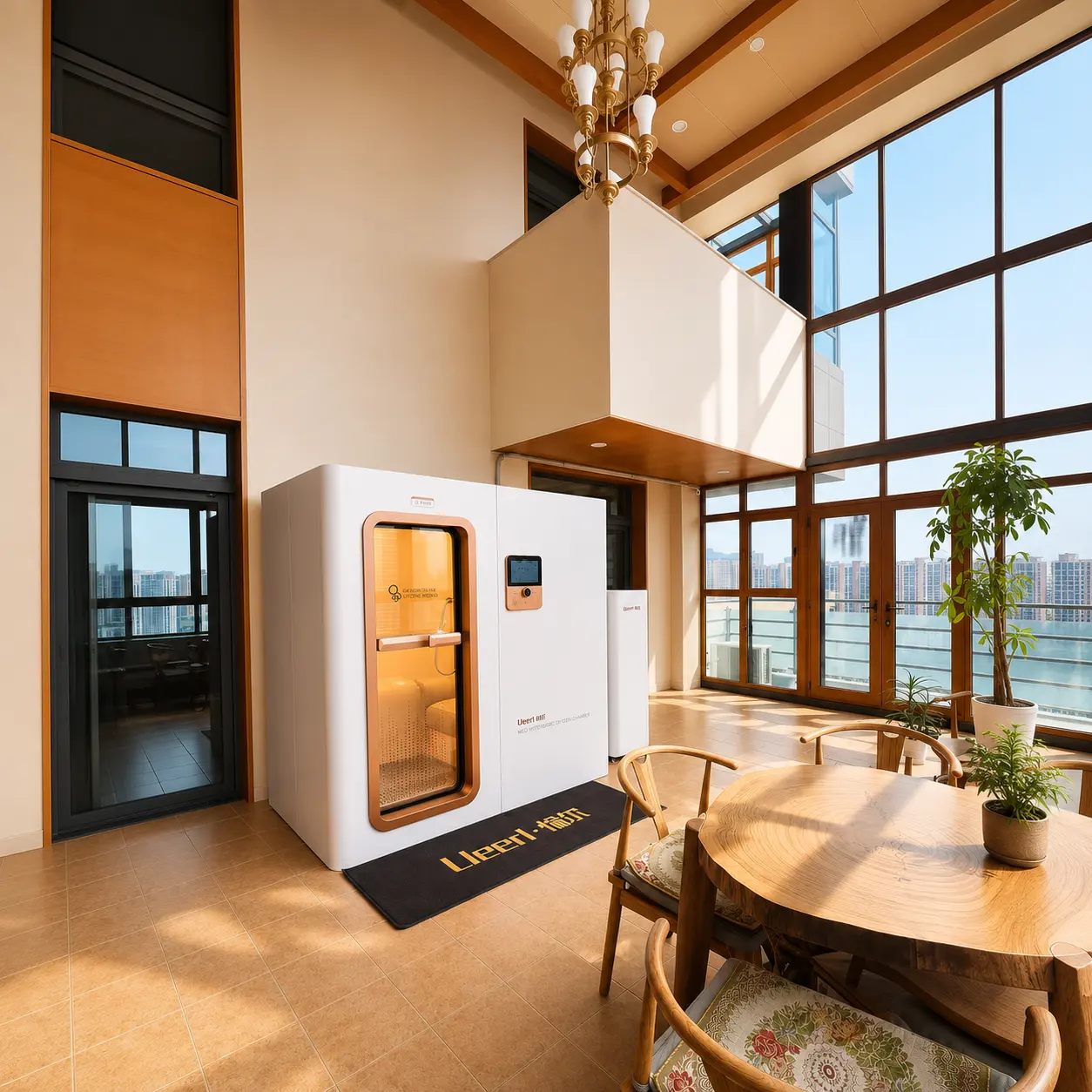
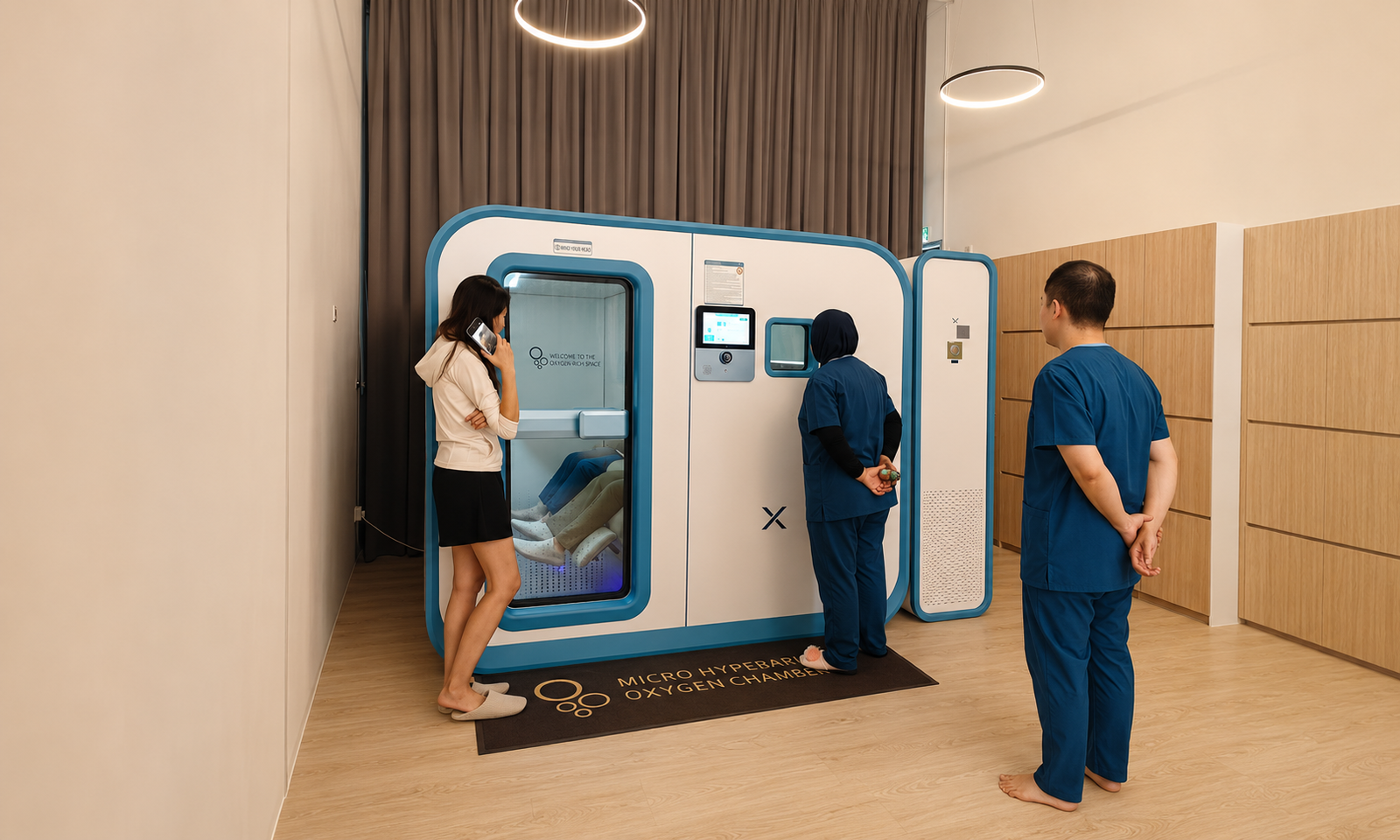
One household, private clients, members, guests or larger user groups.
Occasional personal sessions or structured daily commercial bookings.
Chamber footprint, access route, supporting equipment and service clearance.
Personal routines versus staff workflow, client turnover and maintenance planning.
Home vs Commercial Is About the Project, Not Just the Chamber
A hyperbaric chamber does not automatically become a “commercial model” just because it is installed in a business.
A premium single-user room-style chamber might work equally well in a private villa, executive office, spa or boutique wellness center. What changes is the operating environment around it: the number of users, session frequency, staff responsibilities, access planning, cleaning routines, service expectations and future capacity.
That is why the better buying question is not simply “home or commercial?” but “what will this chamber need to do every day?”
Optimize for the Household
Focus on privacy, convenient access, room aesthetics, comfortable seating, quiet operation, simple controls and a routine that fits naturally into daily life.
Typical priority: personal experienceOptimize for the Service Model
Focus on appointment capacity, client experience, staff workflow, supervision, cleaning, maintenance, branding, service continuity and future expansion.
Typical priority: repeatable operationHome vs Commercial Hyperbaric Chamber Use
Compare the practical differences that matter before choosing chamber capacity, room layout and project configuration.
| Planning Factor | Home Use | Commercial Use | Why It Matters |
|---|---|---|---|
| Primary Users | Individual, couple, family or invited private users. | Clients, members, guests, athletes, employees or scheduled users. | User profile influences capacity, privacy and operating procedures. |
| Typical Capacity | Single-user or two-person configurations are often practical. | Single-user through multi-user configurations depending on service volume. | Larger capacity can increase service throughput but also needs more space. |
| Usage Pattern | Flexible use around household schedules. | Structured booking windows and repeat daily operation. | Higher utilization increases the importance of workflow and maintenance planning. |
| Privacy | Usually very high because users control the environment. | Depends on private booking, shared sessions and facility design. | Privacy can influence whether single-user or multi-user capacity is preferred. |
| Room Design | Integration with bedrooms, home gyms, studies or dedicated wellness rooms. | Integration with reception, treatment rooms, recovery zones, spas or wellness suites. | The chamber should support existing circulation rather than disrupt it. |
| Access Planning | Doorways, elevators, corridors, stairs and finished residential interiors. | Delivery routes, service corridors, elevators, customer circulation and installation logistics. | Access should be evaluated before chamber configuration is finalized. |
| Operation | Designed around simple, repeatable household routines. | May involve trained staff, user guidance and documented operating procedures. | Commercial operation should remain consistent across different users and staff. |
| Cleaning & Turnaround | Household-level routine cleaning and care. | More frequent cleaning between users and planned turnaround procedures. | Client-facing facilities need a repeatable hygiene workflow. |
| Maintenance | Routine care based on frequency of personal use. | Scheduled inspection and preventive maintenance become more important with frequent use. | Commercial downtime can directly affect bookings and service continuity. |
| Customization | Interior color, comfort, seating and integration with the home. | Branding, exterior styling, interior presentation and project-specific configuration. | Commercial chambers often become part of the customer-facing brand experience. |
| Future Growth | Usually selected around current household requirements. | Capacity planning may include future memberships, additional services or more locations. | Choosing too little capacity can create operational limits later. |
| Compliance | Confirm local installation, electrical and intended-use requirements. | Confirm product, business, facility, advertising and local operating requirements. | Commercial status does not automatically establish medical regulatory status. |
What Matters Most for Home Use?
A good home chamber should fit the household, the room and the routine—not force the home to adapt around the equipment.
Home ownership allows sessions to fit around personal schedules without repeated travel or public waiting areas.
Reclining seating, airflow, lighting, climate comfort, entertainment and intuitive controls matter when the chamber becomes part of a long-term routine.
Consider whether the chamber belongs in a dedicated wellness room, home gym, study, basement, bedroom suite or another suitable area.
Review doors, corridors, lifts, stairways and turning space before selecting a room-style chamber.
A single-user chamber suits private individual routines, while a two-person chamber can support couples, family members or companion-style sessions.
What Changes When a Chamber Becomes Part of a Business?
Commercial planning should treat the chamber as part of an operating system involving customers, employees, room flow, booking capacity, maintenance and the wider service experience.
Session Capacity
Estimate how many users you expect each day and whether appointments will be private, companion-based or shared.
Start with realistic demandStaff Workflow
Plan user preparation, chamber operation, monitoring, post-session turnover and communication between staff.
Design around repeatable operationClient Experience
Entry, seating, privacy, comfort, lighting, sound, room design and the surrounding environment all influence the perceived quality of the service.
The chamber becomes customer-facingCleaning & Maintenance
Frequent use requires a clear cleaning routine, preventive checks and maintenance planning to support consistent operation.
Plan beyond the first installationBranding & Interior Integration
Exterior appearance, interior styling, signage and selected customization can help the chamber feel like part of the facility rather than standalone equipment.
Support your brand environmentFuture Scalability
Consider whether the business may later need greater capacity, more rooms, multi-user sessions or additional chamber locations.
Plan for tomorrow's demandExplore industry-specific chamber planning for health centers, clinics, spas, hotels, gyms and workplaces.
Start With How Many People Need to Use the Chamber
Capacity is one of the clearest ways to narrow your options, but bigger is not automatically better. Choose around actual users, available room space and expected session flow.
Personal / Private Chamber
Best suited to individual home use, private appointments, boutique wellness services and spaces where privacy matters more than simultaneous capacity.
Ueerl options: C2 · V3 · H3 · U3
Companion Chamber
Suitable for couples and family households or for professional spaces offering companion, assisted or premium shared sessions.
Ueerl options: V6 · H6 · U6
Multi-User Chamber
A practical commercial direction for health centers, wellness clubs and facilities that need greater simultaneous capacity or group-oriented service.
Ueerl options: V8 · H8
Large Commercial Chamber
Intended for larger professional projects where user volume, room planning, service workflow and project-level installation are central considerations.
Ueerl option: H10
Boutique clinics, luxury spas, VIP hotel suites and premium one-to-one wellness services may intentionally choose a single-user chamber because privacy and exclusivity are part of the service model.
Six Questions That Usually Make the Decision Clearer
Before comparing individual chamber models, define the environment the chamber has to operate in.
Who will use the chamber?
One person, a couple, family members, private clients, members, hotel guests or larger groups?
How many sessions could happen each day?
Personal use has different demands from a business managing scheduled appointments throughout operating hours.
Is privacy or throughput more important?
A private single chamber can create an exclusive experience, while multi-user capacity may support greater service volume.
What space and access do you actually have?
Measure the final room, doorway, corridor, elevator, turning space and supporting equipment area before choosing.
Who will operate and maintain it?
Consider household operation versus staff training, cleaning responsibilities, inspection and maintenance schedules.
Could your capacity needs grow?
Commercial buyers should consider future bookings, membership growth, new locations and additional chamber services.
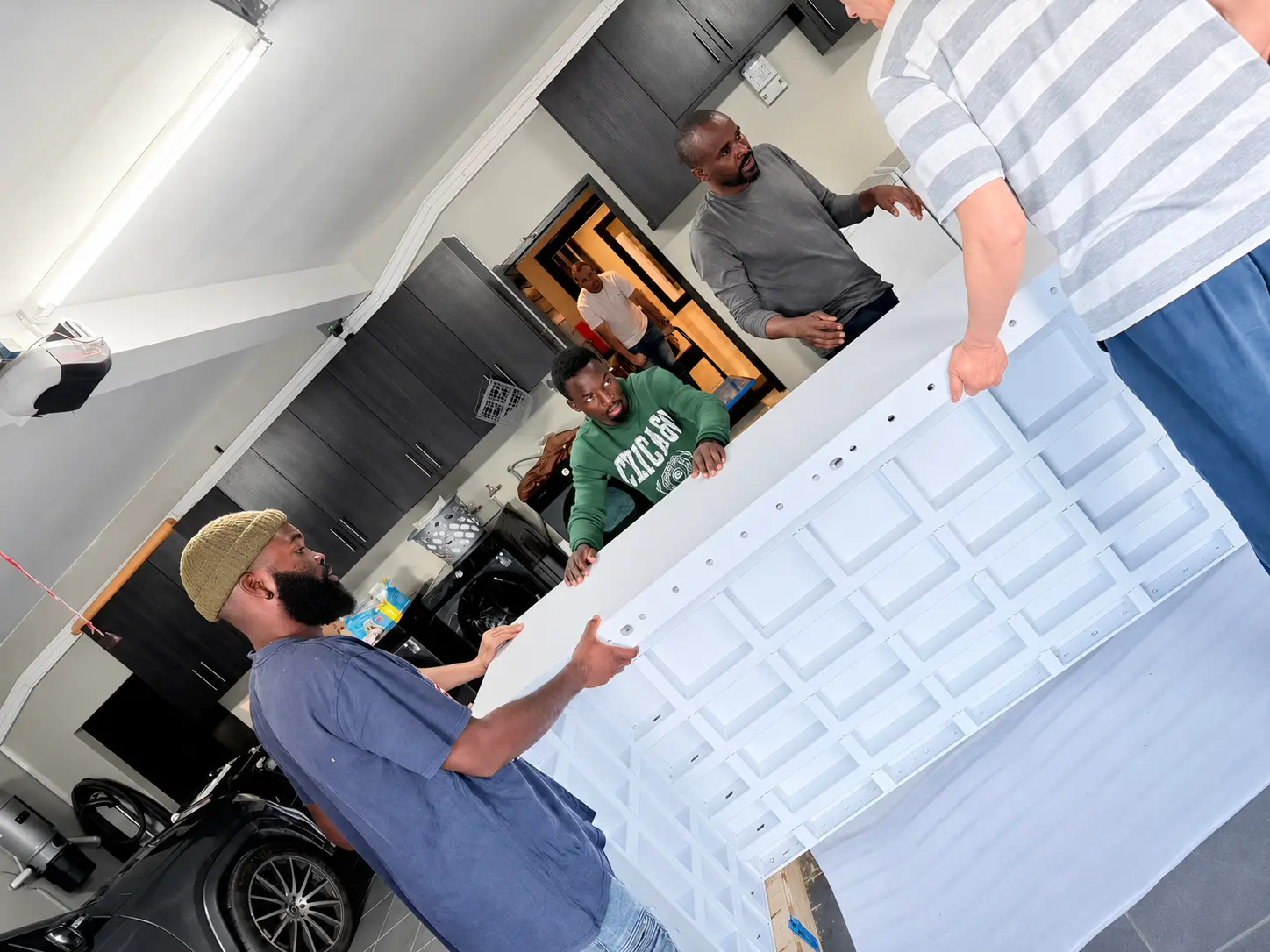
Measure the Route, Not Just the Room
A room can be large enough for a chamber and still be difficult to access. Doorways, elevators, corridors and turning space should be evaluated before delivery.
Confirm chamber footprint, host equipment, clearance and user circulation.
Review the complete entry route rather than measuring only the final doorway.
Check elevator dimensions, weight considerations, stairs and floor-level delivery conditions.
Confirm the selected configuration's electrical and room-environment requirements.
Selected Ueerl room-style configurations can be transported in separated components and assembled inside finished spaces, subject to model and site review.
“Commercial Use” Can Mean Very Different Things
A private clinic, luxury hotel and performance gym may all use a room-style hyperbaric chamber, but their capacity, customer journey and operating priorities are different.
Membership & Wellness Programs
Capacity, repeat sessions, staff workflow and long-term client programs become important planning factors.
Explore Health Centers → CLINICSPrivate Professional Wellness
Plan around client privacy, observation, room workflow, staff procedures and applicable local requirements.
Explore Clinics → SPA & BEAUTYPremium Client Experience
Interior presentation, privacy, branding and integration with existing wellness services may take priority.
Explore Spa Solutions → HOTELS & RESORTSHospitality Wellness
Plan capacity and room design around guest bookings, spa operations, VIP services and property aesthetics.
Explore Hospitality → GYMS & FITNESSRecovery-Focused Services
Consider member demand, post-training workflow, service capacity and integration with recovery areas.
Explore Fitness Solutions → OFFICESExecutive Wellness Spaces
Privacy, simple scheduling, quiet integration and premium interior presentation may matter more than high throughput.
Explore Office Solutions →A Commercial Hyperbaric Chamber Is Not Automatically a Medical HBOT System
“Commercial” describes a business-use environment. It does not determine a chamber's legal medical classification. A chamber installed in a spa, hotel, gym, wellness center or office may be operated as part of a general wellness service.
Medical hyperbaric oxygen therapy involves separate considerations including intended medical use, equipment classification, clinical protocols, professional supervision and the regulations that apply in the destination market.
How Ueerl Plans Home and Commercial Chamber Projects
Whether the destination is a private residence or a commercial facility, model selection should follow a clear project process.
Define the Use Case
Share whether the chamber is for individual, family, guest, member or commercial customer use.
Review Capacity
Determine the number of users per session and expected session demand.
Review the Space
Evaluate room dimensions, doorways, elevators, access routes and supporting equipment.
Select Configuration
Compare chamber format, seating, appearance, controls and project-specific options.
Plan Delivery & Installation
Coordinate production, packaging, transport, entry route and installation requirements.
Train & Support
Complete operational guidance, routine-care training and long-term after-sales handover.
Which Type of Hyperbaric Chamber Should You Choose?
Personal Experience Comes First
- You primarily need the chamber for yourself or your household.
- You want private, convenient access around your own schedule.
- Single-user or companion capacity meets your needs.
- Residential comfort and interior integration are important.
- Daily operation should remain simple and easy to manage.
Service Operations Come First
- You expect multiple clients, members or guests.
- Appointments and session turnover need structured planning.
- Staff will operate or manage the chamber environment.
- Cleaning, maintenance and service continuity matter commercially.
- You may need higher capacity or future expansion.
Many projects sit somewhere in the middle. A two-person room-style chamber, for example, may be equally suitable for a private household, executive wellness room, boutique spa or small professional wellness business. The final recommendation should follow the actual project requirements.
Frequently Asked Questions
Practical answers to common questions when comparing home and commercial hyperbaric chamber projects.
What is the main difference between home and commercial hyperbaric chambers?
Can the same chamber be used at home and in a business?
Which chamber size is best for home use?
Does a commercial facility need a multi-user chamber?
Can a room-style chamber be installed in a finished home?
What should a commercial buyer consider before purchasing?
How much space does a hyperbaric chamber require?
Does commercial use mean medical use?
Which Ueerl models can be used for commercial projects?
How do I know which Ueerl chamber is right for my project?
Tell Us How You Plan to Use Your Hyperbaric Chamber
Share your location, room size, doorway dimensions, expected user capacity and intended environment. Ueerl can help compare chamber options and prepare a practical installation plan for your project.