
Sleep, Stress Relief & Emotional Wellness
Explore how hyperbaric oxygen therapy and room-style oxygen chambers may fit into a broader recovery strategy for sleep quality, stress-loaded lifestyles and emotional well-being—while keeping sleep hygiene, medical evaluation, mental-health care and daily recovery habits at the center.
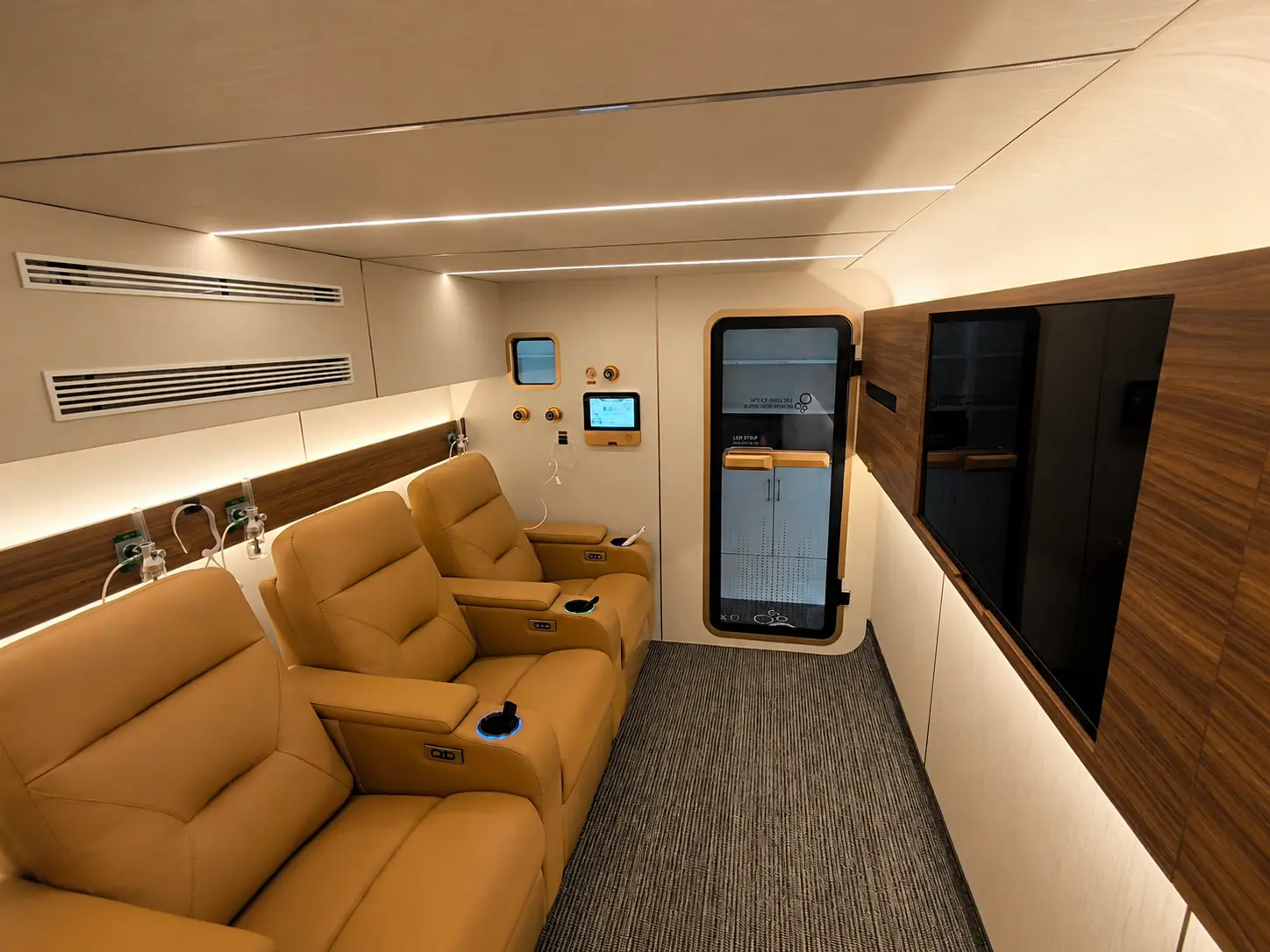
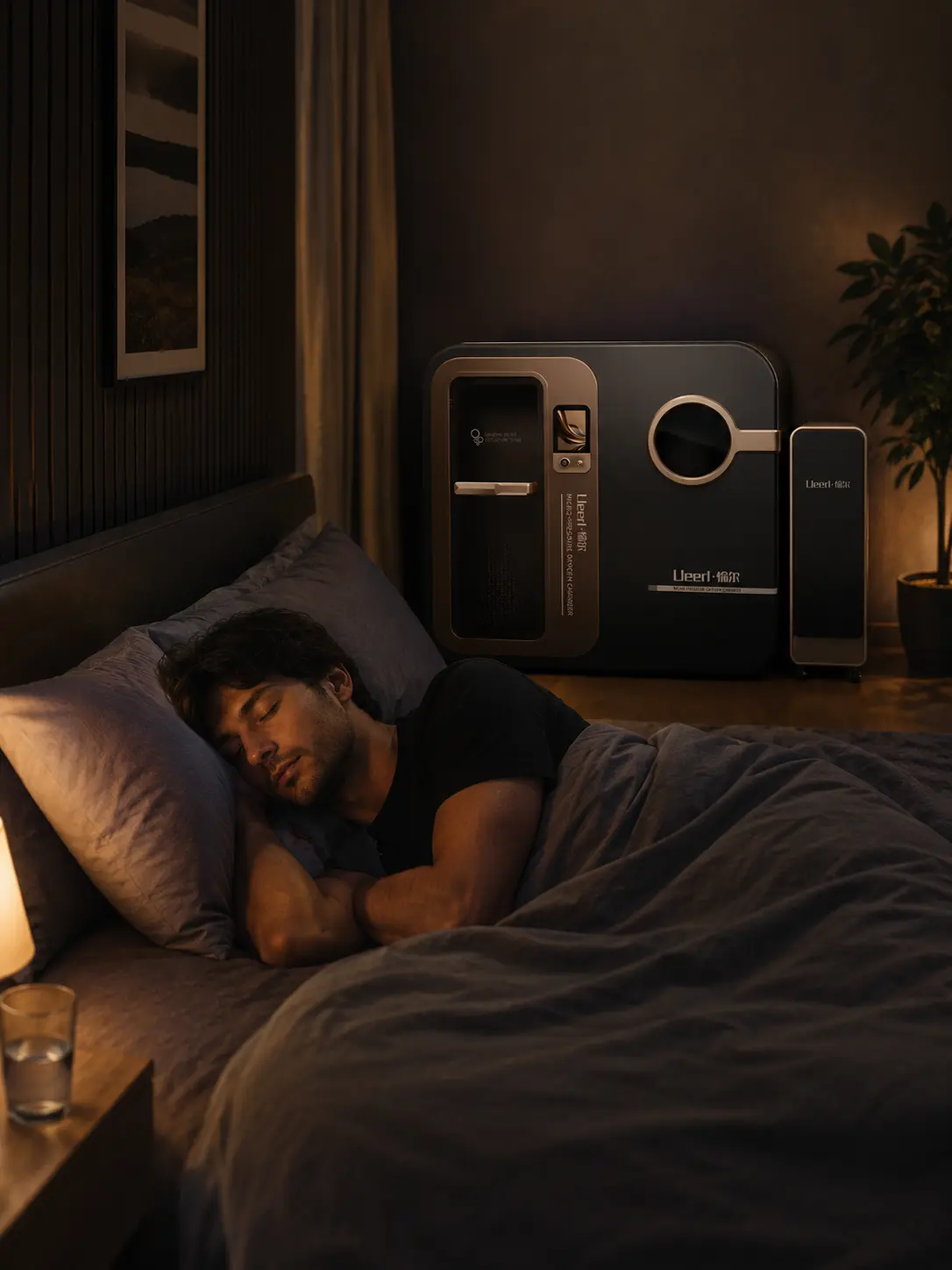
Can hyperbaric oxygen therapy improve sleep quality?
Recent research has reported improved Pittsburgh Sleep Quality Index scores after HBOT in selected populations. A 2026 study of 395 people undergoing HBOT for healthy aging, long COVID or PTSD found significant post-treatment improvement in overall sleep scores, with the largest gains among people who had poorer sleep at baseline. A separate 2026 randomized trial in 60 healthy young men living at high altitude also reported better PSQI scores after a short mild-hyperbaric intervention.
Better sleep depends on the whole recovery system
Sleep is one of the body's most important recovery processes. Quality sleep supports cognitive performance, emotional regulation, immune function, metabolic health and physical recovery. But poor sleep is rarely explained by one factor alone.
Pain, chronic stress, long COVID, PTSD, aging, altitude exposure, irregular schedules, travel, medical conditions, medication and lifestyle habits can all affect how well a person sleeps. Hyperbaric oxygen should therefore be positioned within a complete recovery plan rather than as a stand-alone sleep cure.
How hyperbaric oxygen may fit into sleep and emotional recovery
Current evidence is strongest when HBOT is linked to the underlying clinical or recovery context. Individual response depends on the user, chamber configuration, pressure, oxygen delivery, session schedule and broader care plan.
Support for selected sleep outcomes
Recent studies report improvements in subjective sleep quality, sleep latency and sleep disturbance in selected clinical populations after defined HBOT protocols.
Neuroplasticity & cerebral function
Clinical research has explored HBOT-related changes in cerebral perfusion, functional connectivity and neuroplasticity in neurological and trauma-related populations.
Oxygen, metabolism & repair
Hyperbaric exposure increases oxygen availability and is being studied for effects on mitochondrial function, inflammatory signaling and recovery-related physiology.
A structured recovery window
A room-style chamber creates protected time away from work, training, travel and digital interruption—supporting a more intentional recovery routine.
Condition-specific evidence matters
PTSD research has reported clinically meaningful symptom improvement under dedicated medical protocols. These results should not be generalized to all anxiety, depression or daily stress.
Comfort can improve consistency
Room-style seating, privacy, communication and a calm environment can make repeatable wellness sessions easier to integrate into a home or premium recovery setting.
What current research says about HBOT, sleep and emotional recovery
The most useful evidence comes from clearly defined populations and protocols. The results below should be read in that context rather than converted into a universal promise.
Sleep improvement has now been reported in a large 2026 retrospective cohort and a separate randomized high-altitude trial. PTSD also has randomized sham-controlled evidence for symptom improvement under a 60-session medical protocol. These findings strengthen the clinical rationale for further study, but they do not establish HBOT as routine treatment for primary insomnia or everyday stress.
Sleep quality improved across aging, long COVID and PTSD groups
After 60 HBOT sessions, total PSQI scores improved significantly in all three groups. Subjective sleep quality, latency and disturbances improved broadly, with larger gains among people who had worse sleep at baseline.
View PubMed record ↗Mild hyperbaric oxygen improved sleep scores at high altitude
Healthy young men living at 4,300 m were randomized to a five-day mild-hyperbaric intervention or control. The intervention group showed a significantly greater reduction in PSQI score and improved working-memory accuracy.
View PubMed record ↗Long-term benefits persisted after an HBOT course
A longitudinal follow-up of a randomized controlled trial reported persistent improvements in quality-of-life and symptom measures after HBOT for post-COVID condition. Sleep is one part of the broader recovery picture in this population.
View PubMed record ↗Dedicated HBOT protocol improved PTSD symptoms
In male veterans with combat-associated PTSD, a 60-session 2.0 ATA protocol produced significant improvement in PTSD symptom scores and depression measures, accompanied by changes in functional brain-network connectivity.
View PubMed record ↗Where a sleep and stress recovery chamber can fit
The right setup depends on the user's health status, privacy needs, schedule, supervision, installation space and whether the goal is general wellness or professional care.
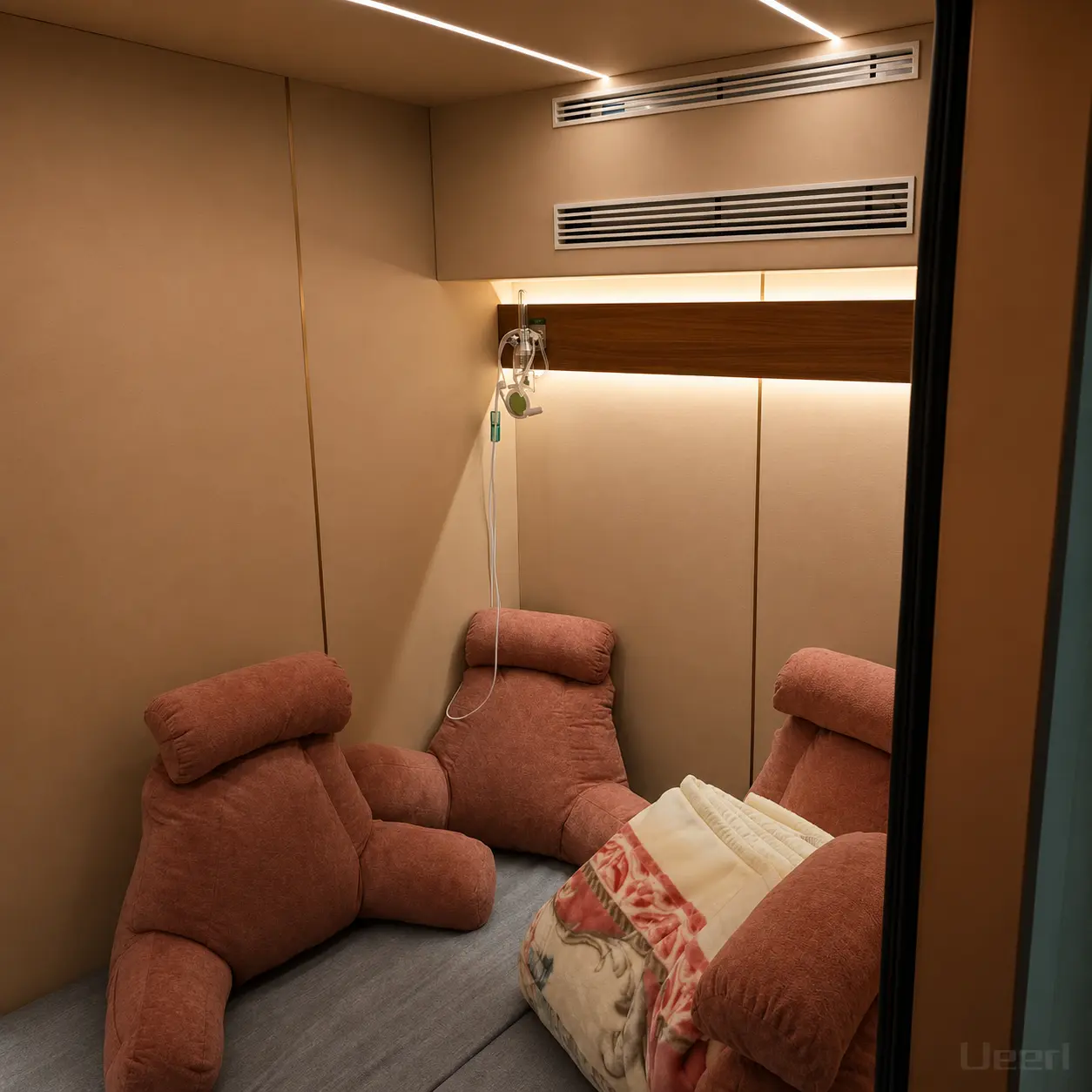
Build a calm, repeatable recovery ritual at home
A private room-style chamber can create scheduled time for relaxation, music, approved entertainment or quiet rest without adding another trip to a clinic or wellness center.
Best for: villas, private homes, executive residencesHigh-stress professionals
Use chamber sessions as protected decompression time within a wider plan for sleep scheduling, travel recovery, workload boundaries and exercise.
Best for: executives, founders, frequent travelersAthletes & intensive training
Recovery sessions can complement sleep, nutrition, hydration, physiotherapy and load management during heavy training blocks or competition periods.
Best for: athletes, gyms, recovery centersLongevity & senior wellness
For suitable users, a spacious chamber can support a structured recovery routine while medical conditions, medication and sleep disorders are managed appropriately.
Best for: longevity spaces, health centers, private homesCondition-specific programs
When sleep or emotional symptoms are linked to a diagnosed condition, protocol decisions belong within an appropriate clinical or rehabilitation framework.
Best for: clinics, rehabilitation centers, supervised programsBuild the chamber around a complete sleep-recovery routine
A useful program should support the user's actual recovery goals without disrupting bedtime, medical care, exercise or other proven sleep practices.
Clarify the recovery goal
Decide whether the priority is general rest, travel recovery, high-performance wellness, supervised rehabilitation or a physician-directed clinical indication.
Screen the user appropriately
Review medical history, ears and sinuses, lung health, medications, recent illness or procedure, implanted devices, anxiety in enclosed spaces and whether professional clearance is needed.
Protect the sleep schedule
Place sessions so they do not push bedtime later, reduce morning light exposure, interfere with exercise or meals, or become a substitute for consistent sleep habits.
Track real-world response
Monitor comfort, sleep quality, daytime energy, symptoms and routine consistency over time instead of assuming a fixed response from a specific number of sessions.
Choose around privacy, comfort and the way you recover
These are common starting points for private and professional recovery environments. Final selection should consider pressure needs, access, room size, local requirements, ventilation, power, installation and service support.
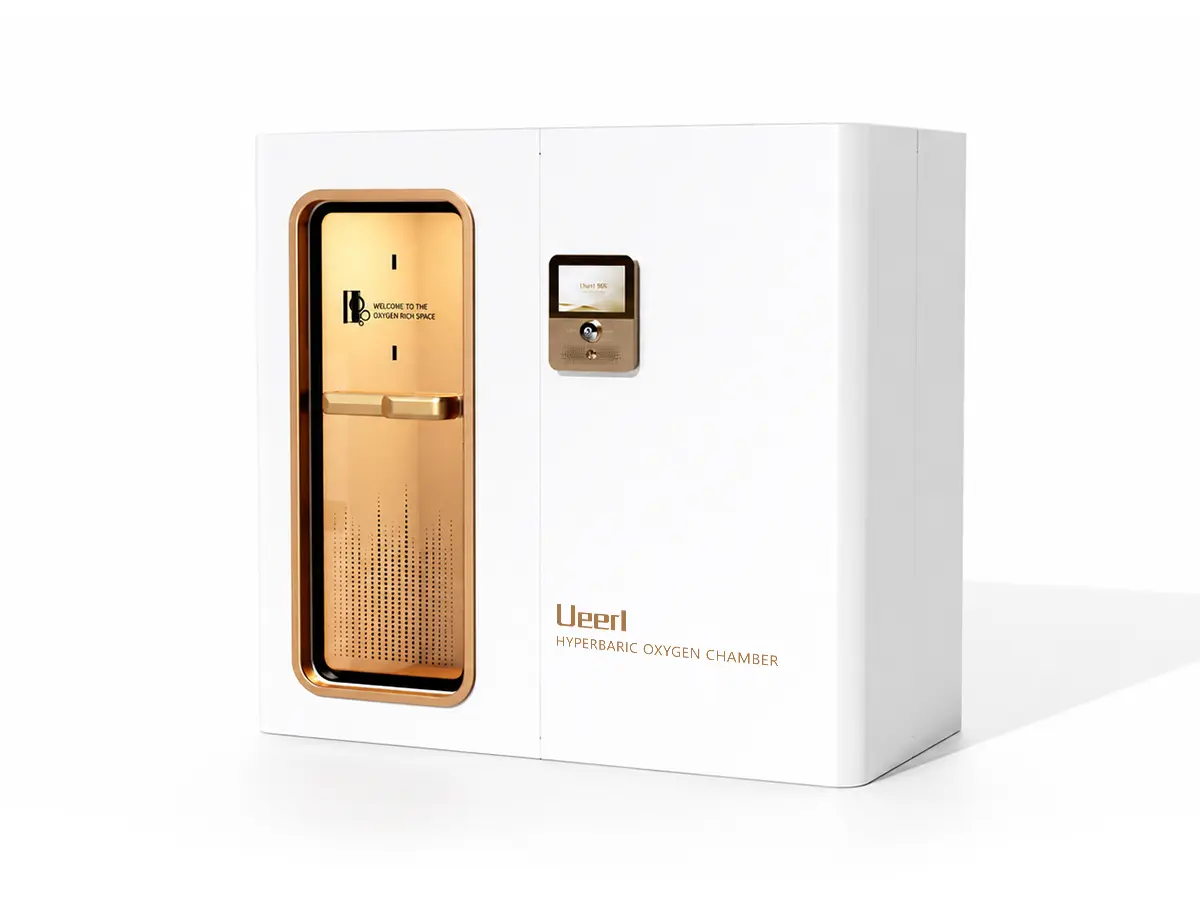
H3 Luxury Edition
A spacious single-user chamber well suited to private bedrooms, recovery rooms and first-time users who value a gentle 1.5 ATA experience, reclining comfort and a less confined cabin.
Explore H3 →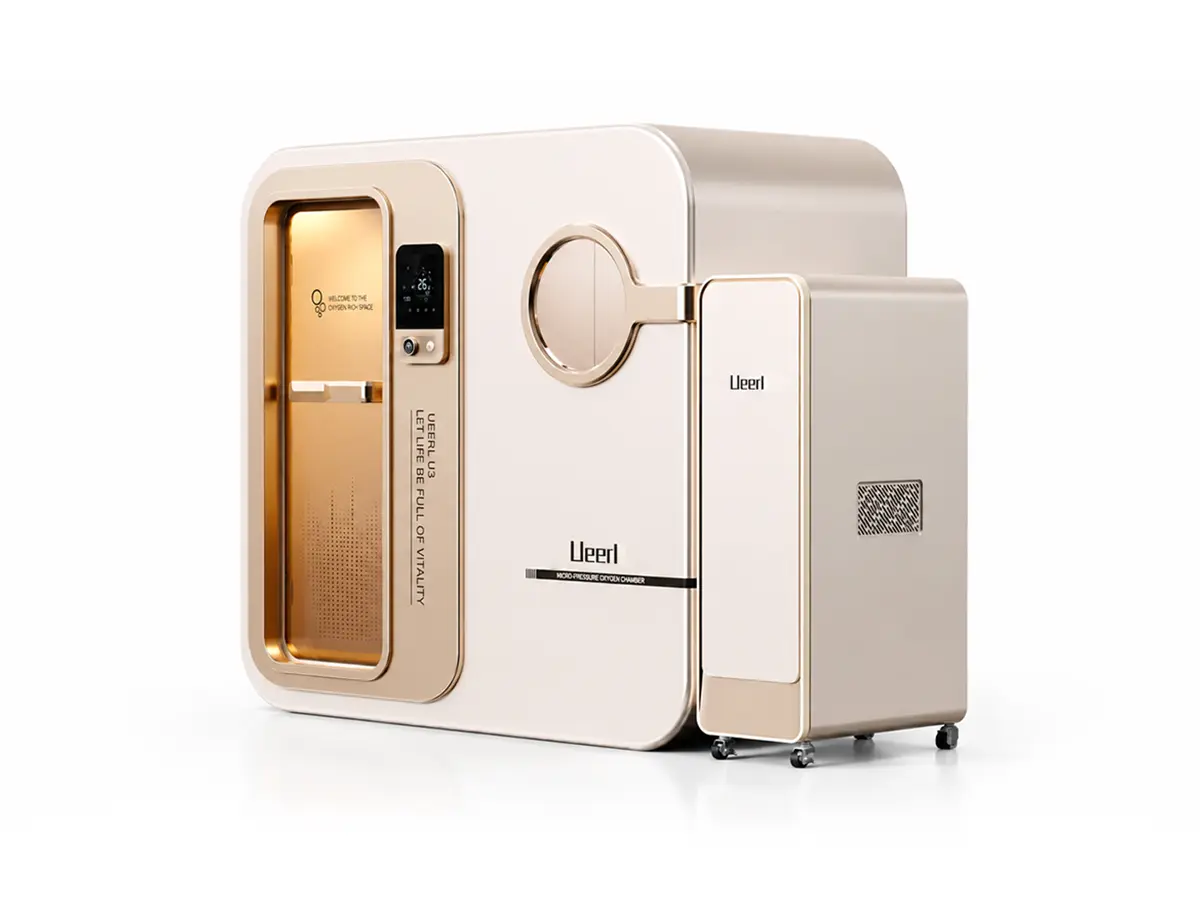
U3 Modular Edition
A design-led option for finished homes and premium wellness interiors where modular installation, visual integration and a dedicated private recovery space are priorities.
Explore U3 →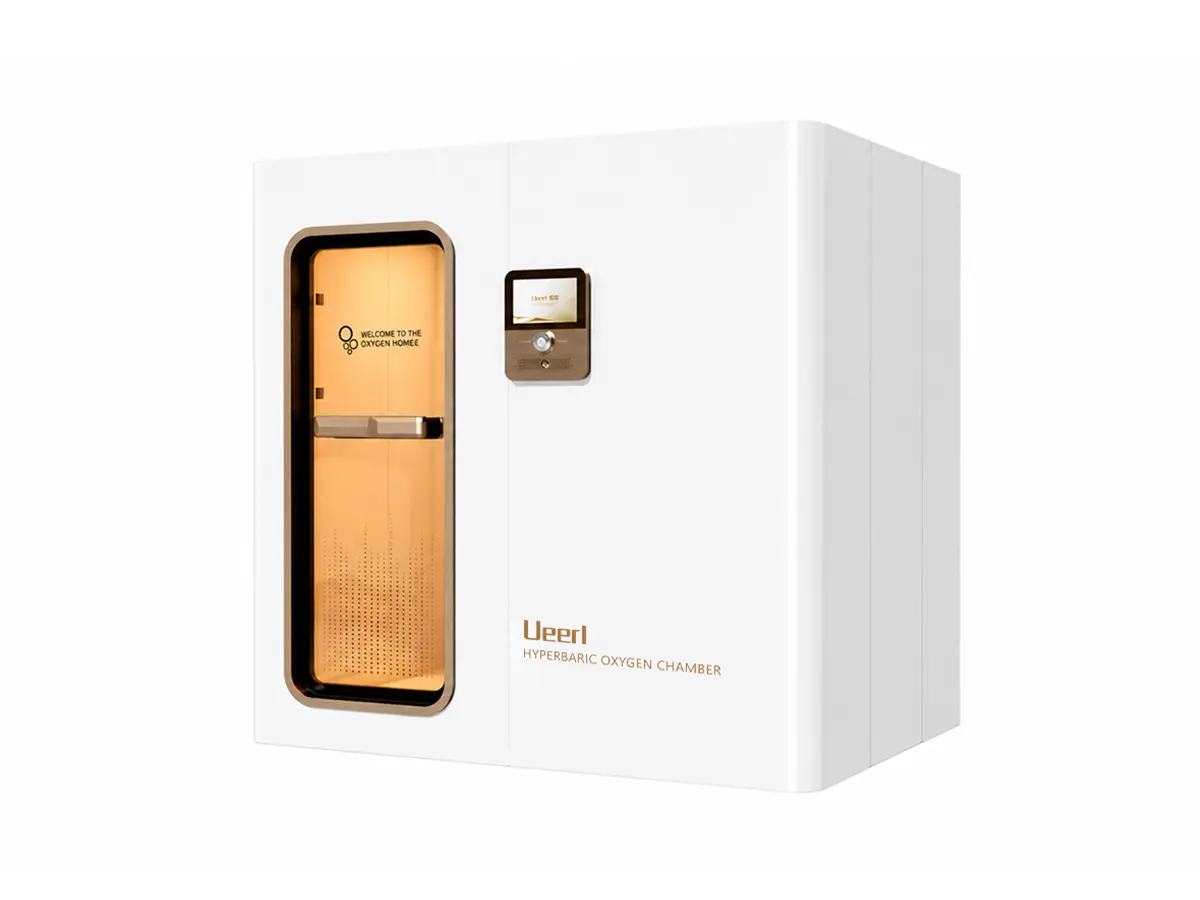
H6 Two-Person Solution
A larger room-style option for couples, family members, executive recovery spaces and facilities that want companion sessions or a more open recovery experience.
Explore H6 →Sleep and relaxation goals do not reduce hyperbaric safety requirements
A chamber should never be treated like ordinary bedroom furniture. Screening, pressure management, oxygen controls, fire prevention, approved items, communication, maintenance and model-specific operating instructions remain essential.
Review relevant lung, ear, sinus, neurological, cardiovascular and medication considerations, especially when symptoms or diagnosed conditions are present.
Chamber use should follow the selected model's instructions and monitoring requirements rather than treating the chamber as an ordinary sleep pod.
Follow all restrictions for electronics, batteries, fabrics, cosmetics, oils, ignition sources and oxygen-related operating procedures.
Operators should understand pressure equalization, communication, observation, emergency procedures, cleaning and daily safety checks.
PTSD, anxiety, depression and other mental-health conditions require appropriate professional evaluation; chamber use should not replace evidence-based care.
Filters, seals, pressure systems, oxygen components and communication equipment require scheduled inspection and maintenance.
Sources behind the sleep and emotional-recovery information
Clinical claims on this page are separated from general wellness positioning and linked to identifiable research or safety guidance.
Sources reviewed · August 7, 2026Sleep, stress relief and hyperbaric oxygen chamber FAQs
Clear answers help separate emerging sleep research from general wellness use and physician-directed medical care.
Can hyperbaric oxygen therapy improve sleep quality?
Recent studies report improved PSQI sleep scores after HBOT in selected populations, including healthy-aging, long-COVID, PTSD and high-altitude groups. The evidence is promising but population- and protocol-specific, so the same result should not be assumed for every user.
Does HBOT treat insomnia?
Current evidence does not justify describing HBOT as a universal first-line treatment for primary insomnia. Insomnia can have many causes, including sleep disorders, pain, medication, mental-health conditions, circadian disruption and medical disease, so appropriate evaluation remains important.
Can HBOT help with stress or anxiety?
Condition-specific research has examined psychological outcomes in PTSD and other clinical populations. Those findings should not be generalized to ordinary daily stress or every anxiety disorder. A quiet chamber session can also create structured recovery time, which is different from proving a direct treatment effect on anxiety.
Can a hyperbaric chamber help with PTSD?
A 2024 randomized sham-controlled trial in male veterans with combat-associated PTSD reported significant symptom improvement after a dedicated 60-session medical HBOT protocol. PTSD treatment decisions should remain within an appropriate mental-health and medical framework rather than copying a research protocol for home use.
How many HBOT sessions are used in sleep research?
Protocols vary substantially. The 2026 multi-population sleep study evaluated people after 60 sessions, while the high-altitude randomized trial used a five-day mild-hyperbaric intervention. Research schedules should not be copied automatically for another user or chamber.
Should a chamber session be scheduled before bed?
There is no single evidence-based bedtime schedule that applies to everyone. Timing should fit the user's response and overall sleep routine without delaying a consistent bedtime or replacing morning light, exercise, appropriate caffeine timing and other established sleep practices.
Can I sleep inside a hyperbaric oxygen chamber?
Follow the selected chamber's instructions and monitoring requirements. A hyperbaric chamber should not be treated as an unattended overnight sleep pod. Pressure changes, communication, oxygen configuration and safety procedures require appropriate operation.
Can a hyperbaric oxygen chamber be installed at home?
Selected room-style chambers can be installed in suitable homes where doorway and elevator access, floor space, ventilation, electrical supply, service clearance, operating requirements and local rules have been addressed before installation.
Which Ueerl chamber is best for private recovery?
The right choice depends on user capacity, preferred pressure range, room size, access route, privacy, companion needs, design preferences and budget. H3 is a spacious gentle-pressure single-user direction, U3 suits premium modular interiors, and H6 provides a two-person companion experience.
Plan a private hyperbaric chamber around the way you rest and recover
Tell Ueerl about your intended users, room size, doorway and elevator access, preferred capacity, pressure requirements and home or commercial setting. Our team can help compare chamber options, installation, customization, training and long-term support.