Hyperbaric Oxygen Chamber for Post-Procedure Recovery & Chronic Wellness Management
Create a structured oxygen wellness environment for recovery-focused routines, clinician-informed post-procedure support, long-term tissue wellness, chronic-care coordination, relaxation, and a more comfortable recovery experience with a Ueerl room-style hyperbaric oxygen chamber.
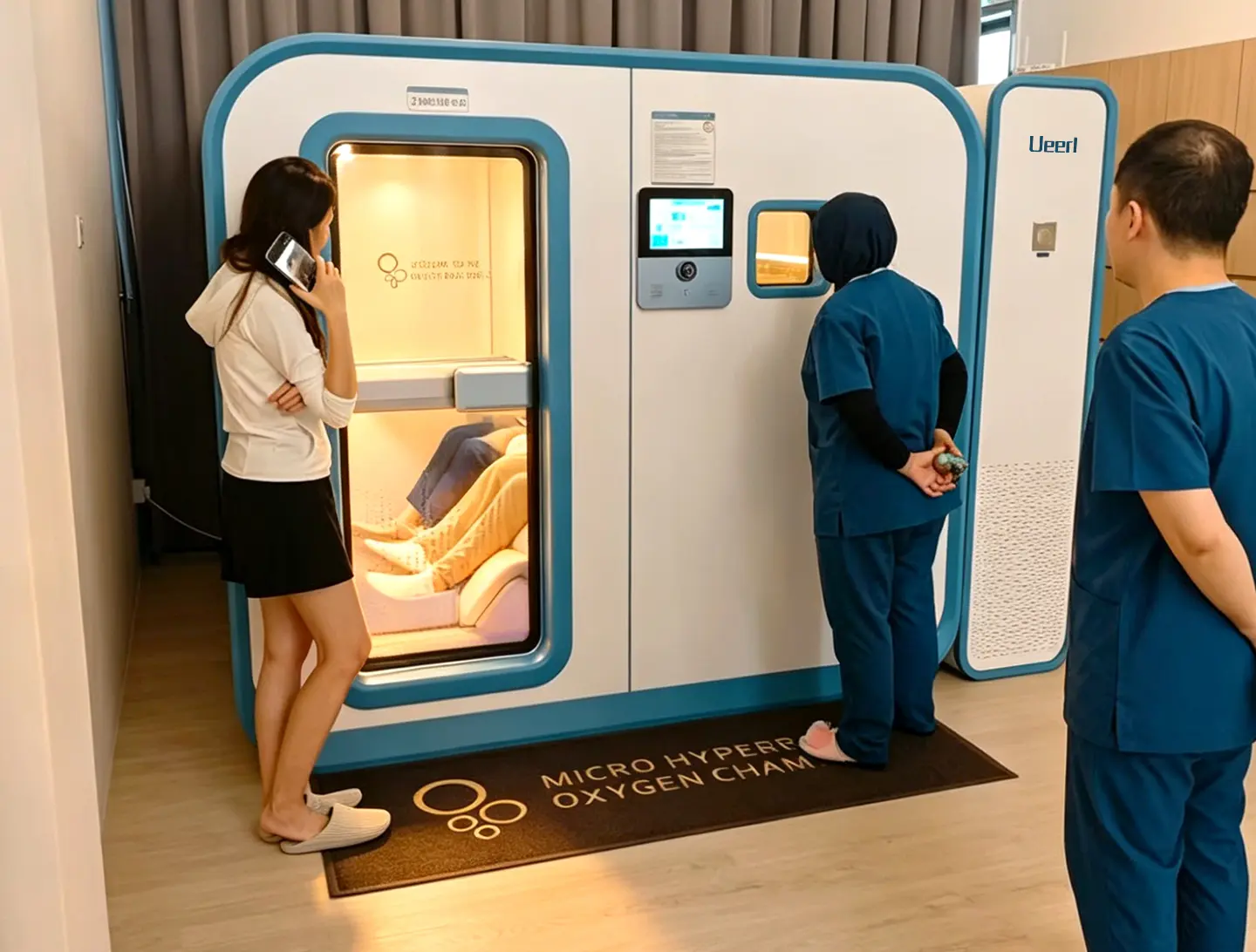
Clinical HBOT is used for selected medical indications under professional supervision. Ueerl room-style chambers support wellness and general well-being within an appropriately planned recovery routine.
How can hyperbaric oxygen support post-procedure recovery and chronic wellness management?
For selected medical indications, clinician-directed hyperbaric oxygen therapy (HBOT) increases oxygen availability under pressure and may be used as an adjunct to standard care. Relevant examples include compromised grafts and flaps, delayed radiation tissue injury, and certain non-healing diabetic lower-extremity wounds.
For general recovery and chronic wellness routines, a Ueerl room-style hyperbaric oxygen chamber can provide a private, comfortable, and repeatable environment for relaxation, recovery scheduling, long-term wellness management, and supported sessions with a companion or caregiver.
The correct pathway depends on the user, procedure or condition, recovery stage, pressure and oxygen protocol, chamber intended use, professional guidance, supervision, and local requirements.
Key planning points
- Clinical pathway: Use medical HBOT only for an appropriate indication with suitable equipment, assessment, and professional supervision.
- Wellness pathway: Use a room-style wellness chamber to support comfort, relaxation, repeat scheduling, and long-term health routines.
- Coordinated care: Combine oxygen-based recovery with wound care, rehabilitation, nutrition, sleep, movement, medication, and follow-up where applicable.
- Clear boundaries: A wellness chamber should not replace surgery, antibiotics, diabetes care, oncology follow-up, rehabilitation, or urgent medical assessment.
Post-procedure recovery and chronic wellness are not one-size-fits-all
The strongest user experience begins by separating medically indicated HBOT from wellness-oriented chamber use, then building the program around the correct equipment, protocol, supervision, and expectations.
Clinician-directed HBOT
Medical HBOT uses an appropriate cleared device, prescribed pressure and oxygen exposure, clinical screening, and professional monitoring for a recognized indication or carefully selected clinical need.
Common clinical contexts
- Compromised skin grafts and flaps
- Delayed radiation tissue injury
- Selected non-healing diabetic lower-extremity wounds
- Other recognized indications determined by a qualified medical team
Recovery and chronic wellness routines
Ueerl room-style chambers are intended for wellness and general well-being. They can support a comfortable recovery environment, regular relaxation, health-management routines, and long-term lifestyle adherence when use is appropriate for the individual.
Common wellness goals
- Structured rest and recovery time
- Comfortable long-term wellness scheduling
- Shared or supported sessions with a companion
- Integration with sleep, nutrition, mobility, stress management, and professional care
Why oxygen under pressure is relevant to recovery and long-term wellness planning
The value is strongest when higher oxygen availability is combined with the right recovery pathway, standard care, regular reassessment, a comfortable chamber environment, and realistic goals.
More oxygen available to stressed tissue
Pressurization allows more oxygen to dissolve in plasma, increasing the amount available to tissues. This mechanism is one reason HBOT is used in selected hypoxic, ischemic, or difficult-to-heal clinical situations.
Support for repair-related pathways
Clinical literature describes effects involving angiogenesis, fibroblast activity, collagen synthesis, edema reduction, and host defense. The practical outcome depends on indication, timing, protocol, and standard care.
Clinical value in selected threatened tissue
When a graft or flap becomes compromised, early clinician-directed HBOT may be considered as part of a tissue-salvage strategy alongside surgical evaluation and correction of the underlying problem.
An adjunct for selected hard-to-heal wounds
Meta-analyses of diabetic foot ulcer trials report higher healing rates and, in some analyses, fewer major amputations when HBOT is added to comprehensive standard wound care in appropriately selected patients.
A more comfortable repeat-session experience
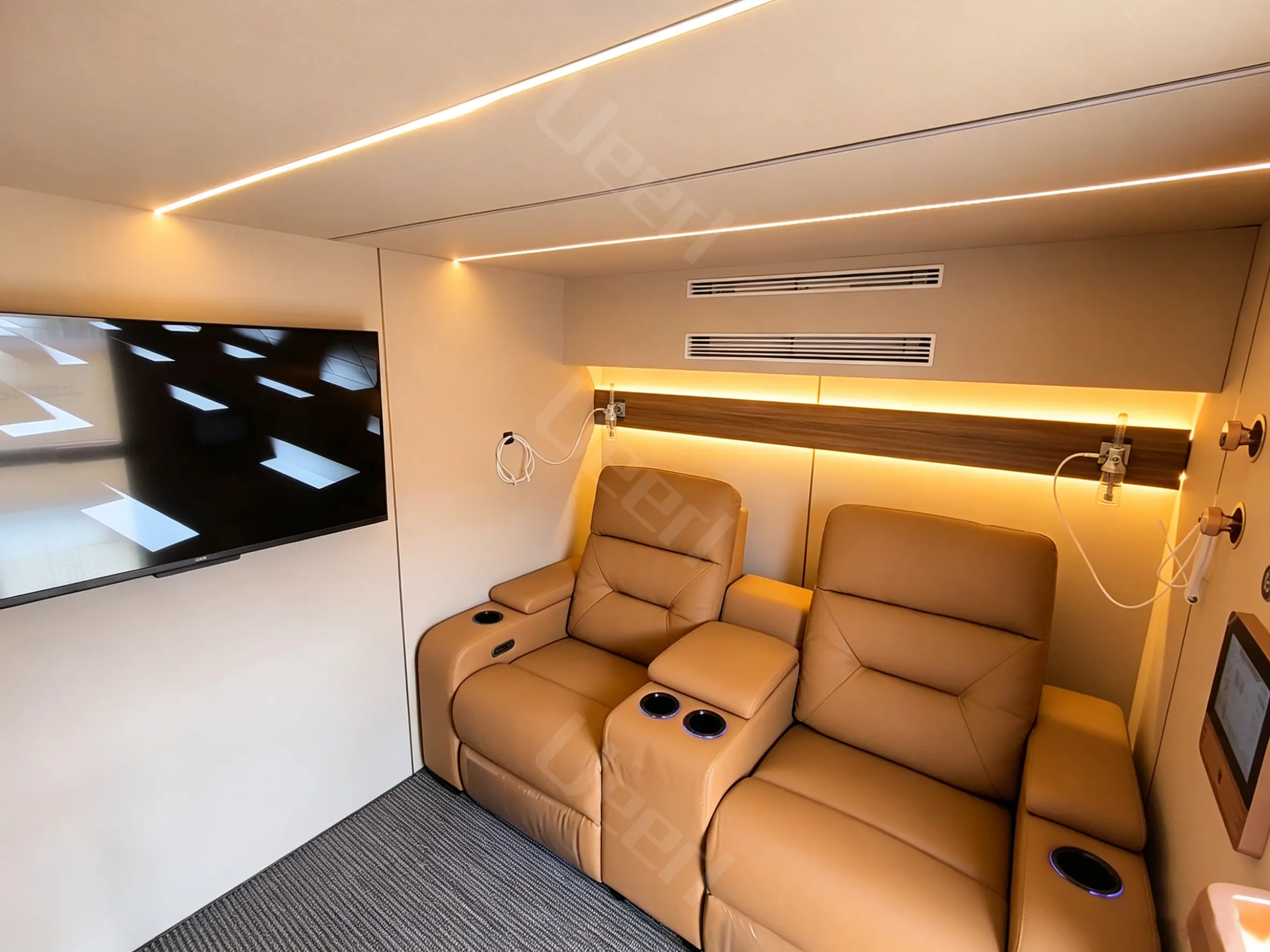
Room-style space, reclining seats, communication, entertainment, and selected electronic functions can make repeat wellness sessions easier to schedule and more acceptable for users who value privacy and comfort.
One component of a broader plan
Recovery management is more complete when oxygen wellness is coordinated with wound care, mobility, sleep, nutrition, hydration, stress management, medication, rehabilitation, and regular professional review.
Research supports a credible role for HBOT in selected recovery and chronic-care pathways
The evidence is not the same for every procedure or chronic condition. The strongest conversion message is specific: HBOT can be valuable when the clinical problem, timing, protocol, and care pathway are appropriate.
Early adjunctive HBOT may improve tissue salvage
A clinical review describes basic-science and clinical support for HBOT in compromised grafts and flaps, including reduced hypoxic injury, enhanced fibroblast and collagen activity, angiogenesis, and mitigation of ischemia-reperfusion injury. It emphasizes starting treatment promptly once compromise is recognized.
Higher healing and lower major-amputation risk in a 2025 meta-analysis
A meta-analysis supporting Italian diabetic-foot guidelines included eight HBOT randomized trials. Across the evaluated adjunctive therapies, healing rates were higher and healing time was shorter than standard care or placebo; HBOT also showed a significantly lower risk of major amputation.
Potential improvement in selected tissues and outcomes
The 2023 Cochrane review evaluated HBOT for late radiation tissue injury. It found evidence that HBOT may improve outcomes in selected patients and tissues, including some head, neck, bladder, and bowel complications, while also noting uncertainty about which patients benefit most and the optimal timing.
Promising perioperative findings, with a need for better trials
A systematic review identified limited comparative evidence in facial plastic and reconstructive surgery. One small prospective facelift study reported 35% and 30% less bruising on postoperative days 7 and 10 after perioperative HBOT, but the review concluded that stronger studies are still needed before routine use can be established.
Build the right recovery environment for each user journey
Help visitors recognize their own situation, understand the correct level of professional involvement, and see how a spacious chamber can fit the service or home environment.
Reconstructive and tissue-salvage pathways
For compromised grafts, flaps, or threatened tissue, time-sensitive evaluation comes first. A professional HBOT program may be considered alongside surgical correction, wound care, infection control, and close reassessment.
Best fit: hospitals, wound centers, reconstructive practices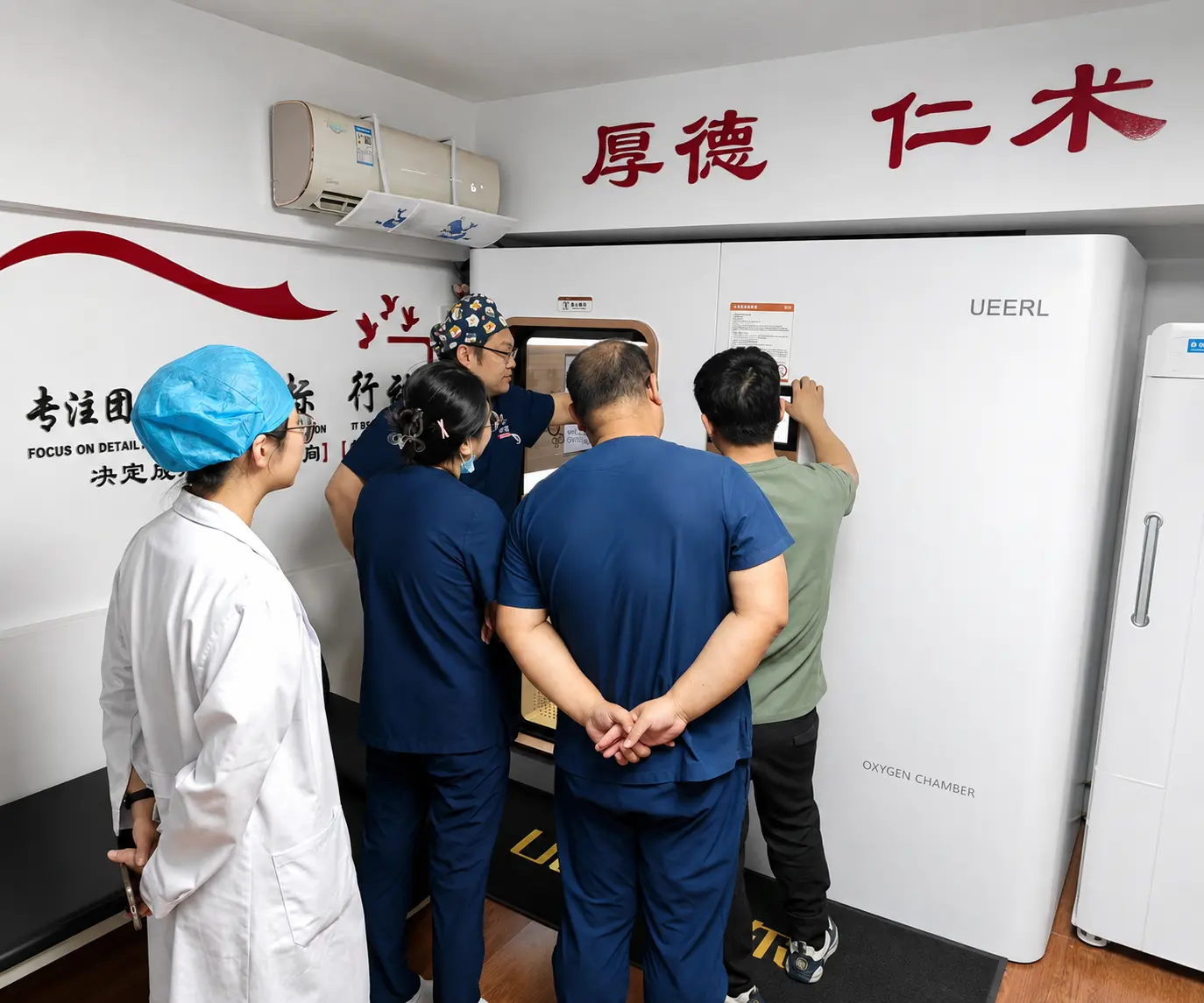
Chronic wound management
Selected hard-to-heal wounds require vascular assessment, glucose control, off-loading, debridement, infection management, dressings, nutrition, and regular measurement. HBOT is an adjunct within that larger pathway.
Best fit: diabetic-foot teams, wound clinics, rehabilitation centers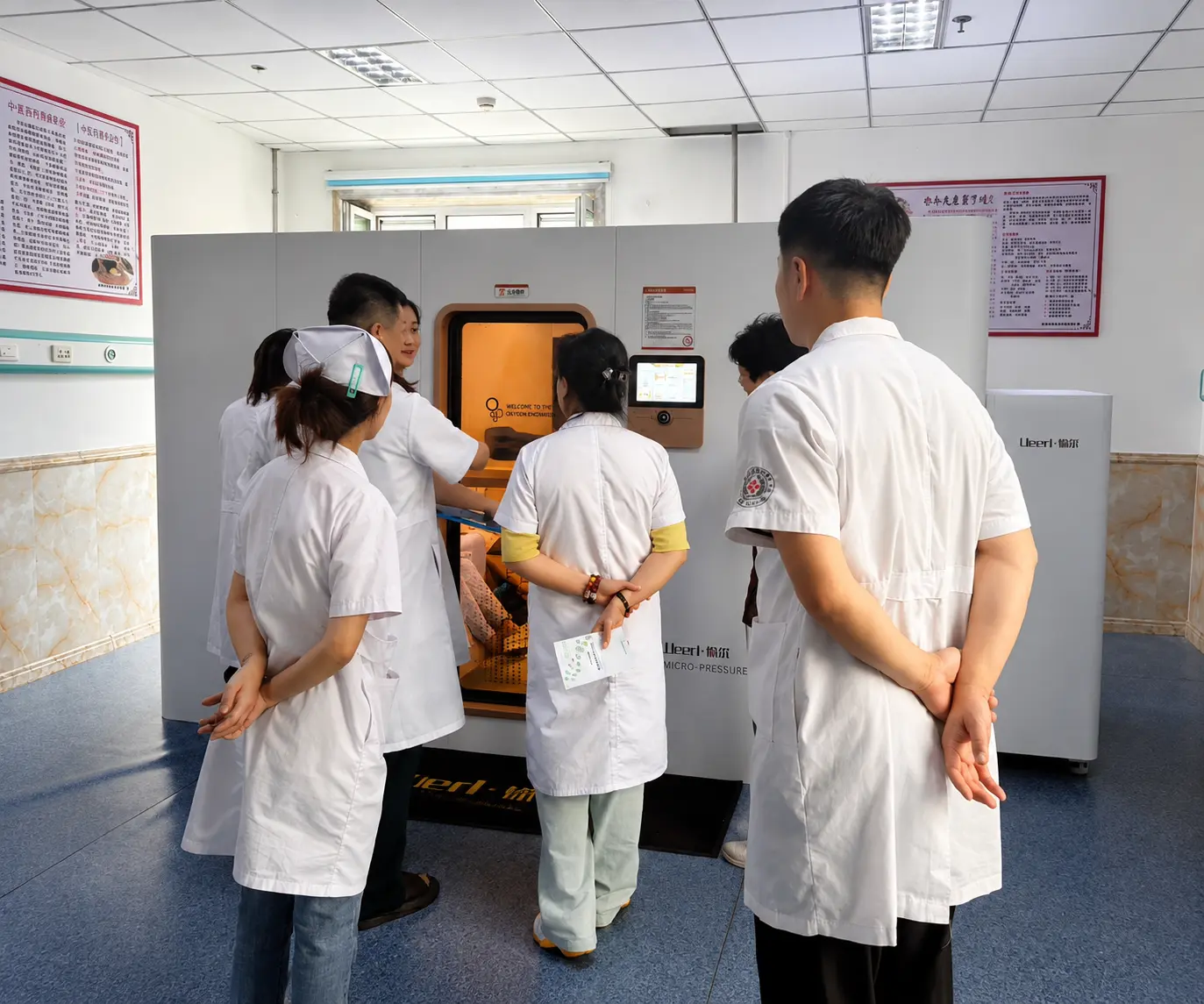
Radiation-related tissue recovery
Late radiation effects may develop months or years after treatment. A specialist team can determine whether HBOT is suitable and coordinate it with dental, surgical, oncology, urology, wound, or rehabilitation care.
Best fit: oncology follow-up, dental surgery, reconstructive services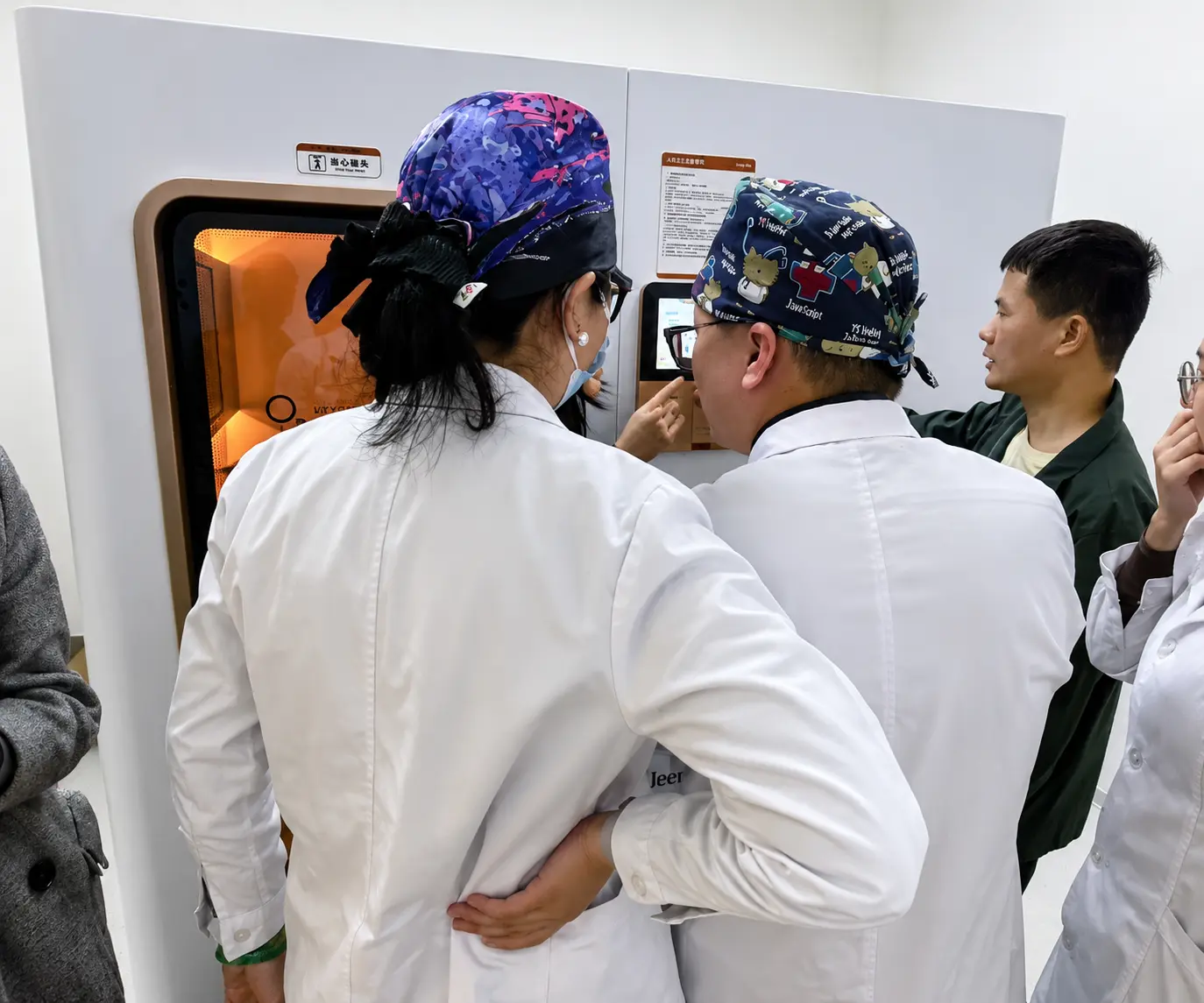
Selected aesthetic recovery programs
Plastic and aesthetic practices can explore clinician-informed oxygen recovery services for selected patients while keeping standard postoperative instructions, urgent complication pathways, and evidence boundaries clear.
Best fit: plastic surgery, cosmetic medicine, recovery suites
Private chronic wellness routines
At home, a room-style chamber can support regular relaxation, personal recovery habits, mobility planning, sleep routines, caregiver-supported sessions, and long-term wellness management—subject to suitability and operating guidance.
Best fit: private homes, family wellness rooms, executive residences
Health centers and managed memberships
Commercial wellness centers can combine assessment, booking, staff supervision, recovery education, session records, comfort features, and referral pathways in a structured long-term service model.
Best fit: health centers, longevity clubs, recovery facilities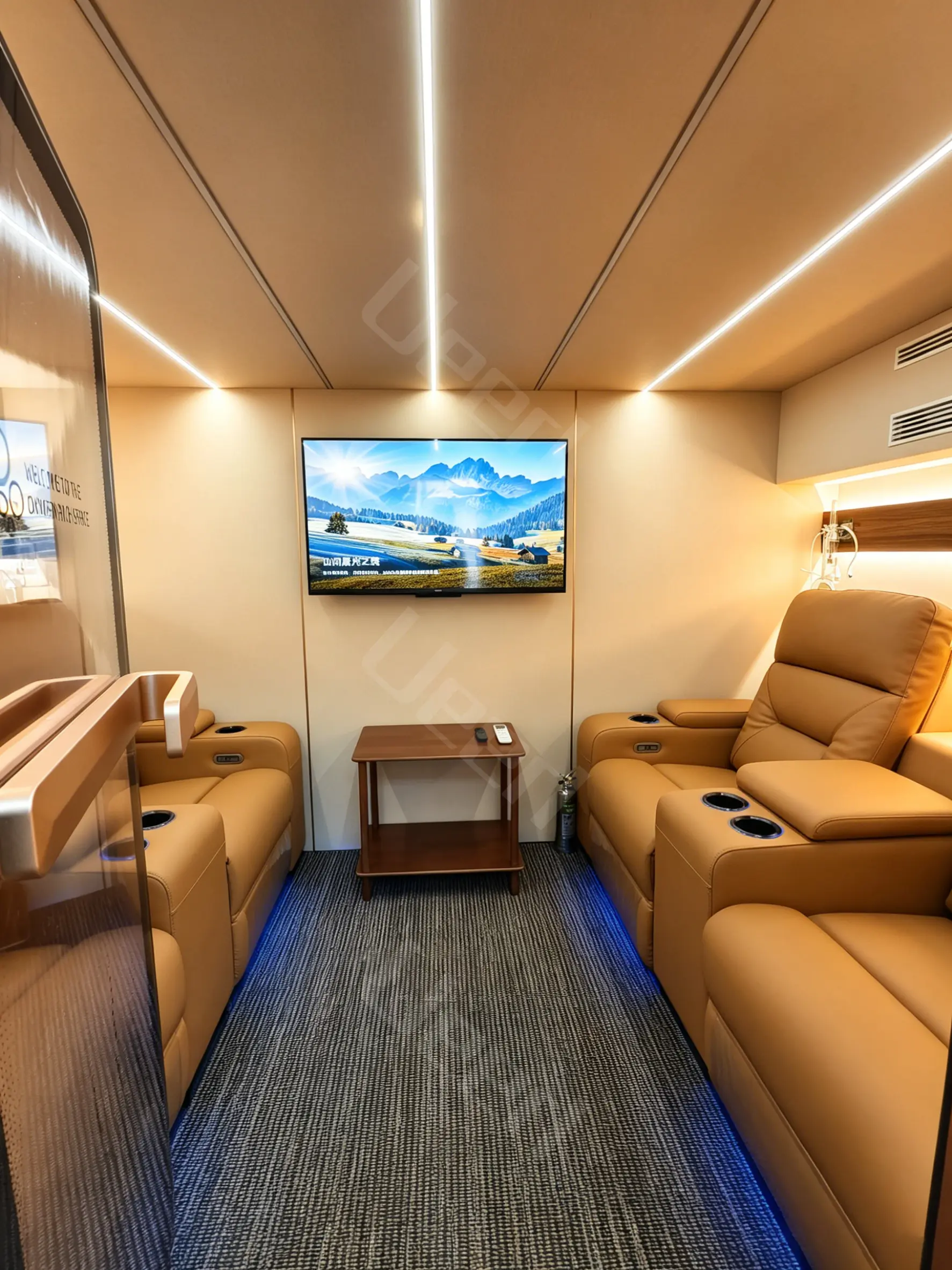
Comfort can improve participation in a long-term wellness routine
A chamber is easier to integrate when the user can enter comfortably, communicate clearly, recline, remain connected, and complete repeat sessions without feeling that the equipment dominates the experience.
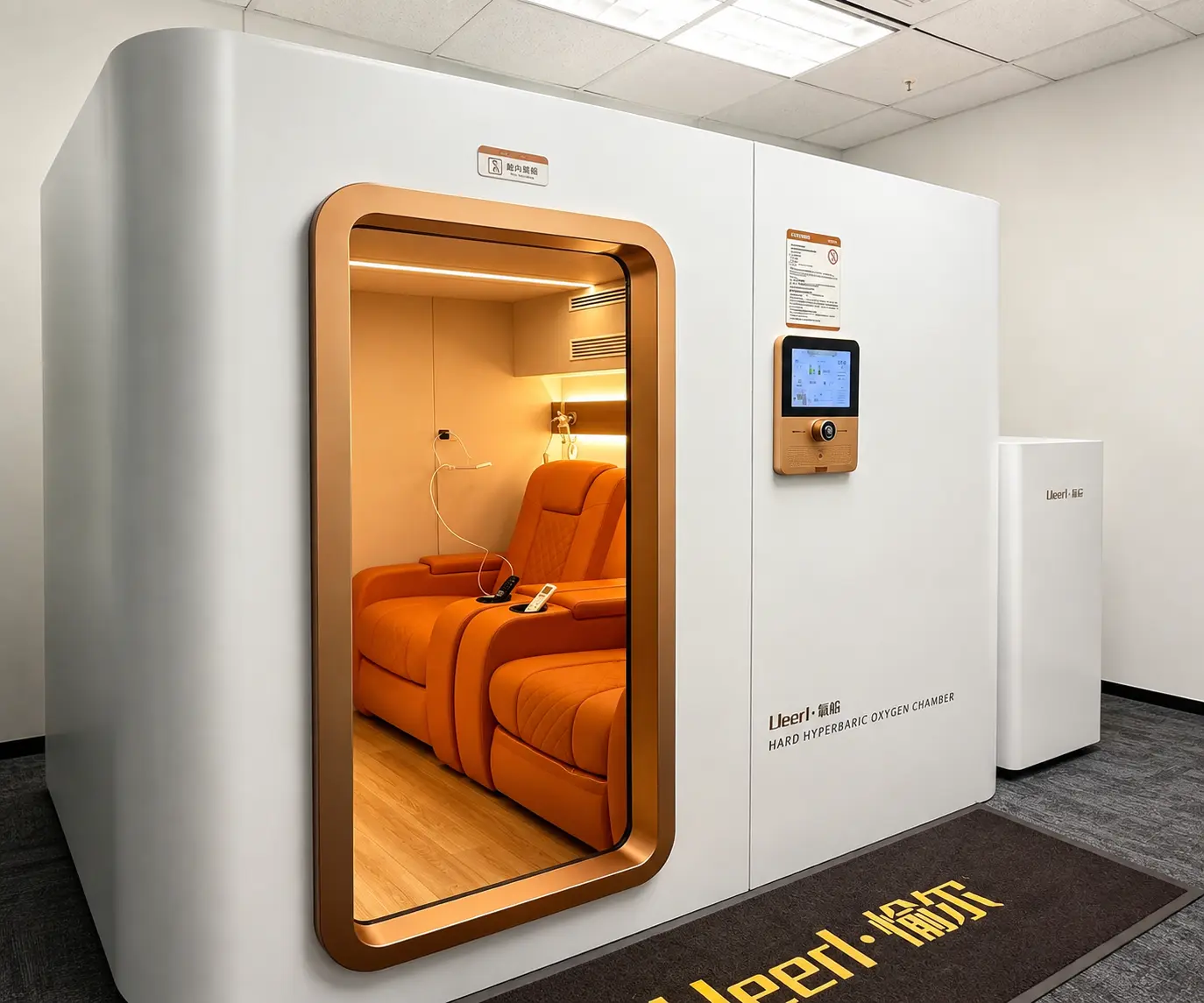
Room-style cabin
More space can support easier entry, relaxed posture, a companion, or staff-assisted use.
Reclining seating
Adjustable seating supports sitting, resting, conversation, entertainment, and longer routines.
Communication and monitoring
Internal and external controls help users remain connected with staff or caregivers.
Entertainment options
Built-in cinema, audio, and configured electronics can make repeat sessions easier to complete.
Modular installation
Panel-based assembly helps solve doorway, elevator, corridor, and completed-room access challenges.
Cleaning and maintenance access
Serviceability, filtration, surfaces, seals, and maintenance planning matter for repeat use.
Four steps from recovery goal to an appropriate chamber plan
The pathway should begin with the user’s actual procedure, condition, health history, intended use, and professional-care needs—not with a pressure number alone.
Define the goal
Clarify the procedure, recovery stage, chronic-wellness objective, symptoms, mobility needs, standard care, capacity, and location.
Confirm suitability
Review health history, ear and lung considerations, implanted devices, medication, pregnancy, current complications, guidance, and emergency pathways.
Match the configuration
Select intended use, pressure range, oxygen delivery, seating, capacity, electronics, communication, access, power, ventilation, and supervision.
Track and reassess
Record tolerance, user experience, recovery measures where appropriate, maintenance, and whether the plan should continue, change, or stop.
Choose capacity and comfort around the recovery environment
Ueerl chambers are intended for wellness and general well-being. Model selection should consider private or commercial use, capacity, pressure, room access, oxygen system, seating, electronics, customization, installation, training, maintenance, and local requirements.
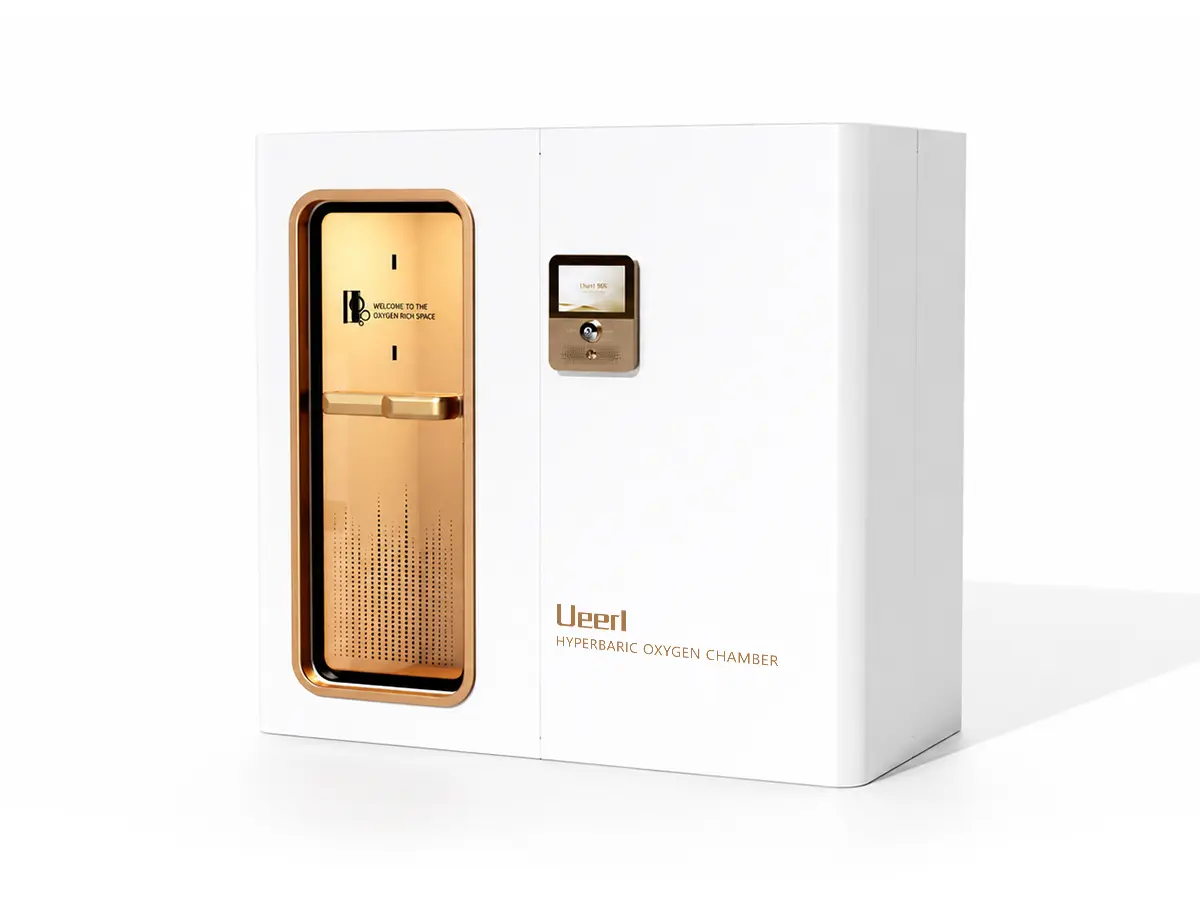
H3 Luxury Single-User
A spacious chamber for private homes, recovery rooms, executive residences, spas, and one-to-one wellness services with reclining comfort and entertainment.
Explore H3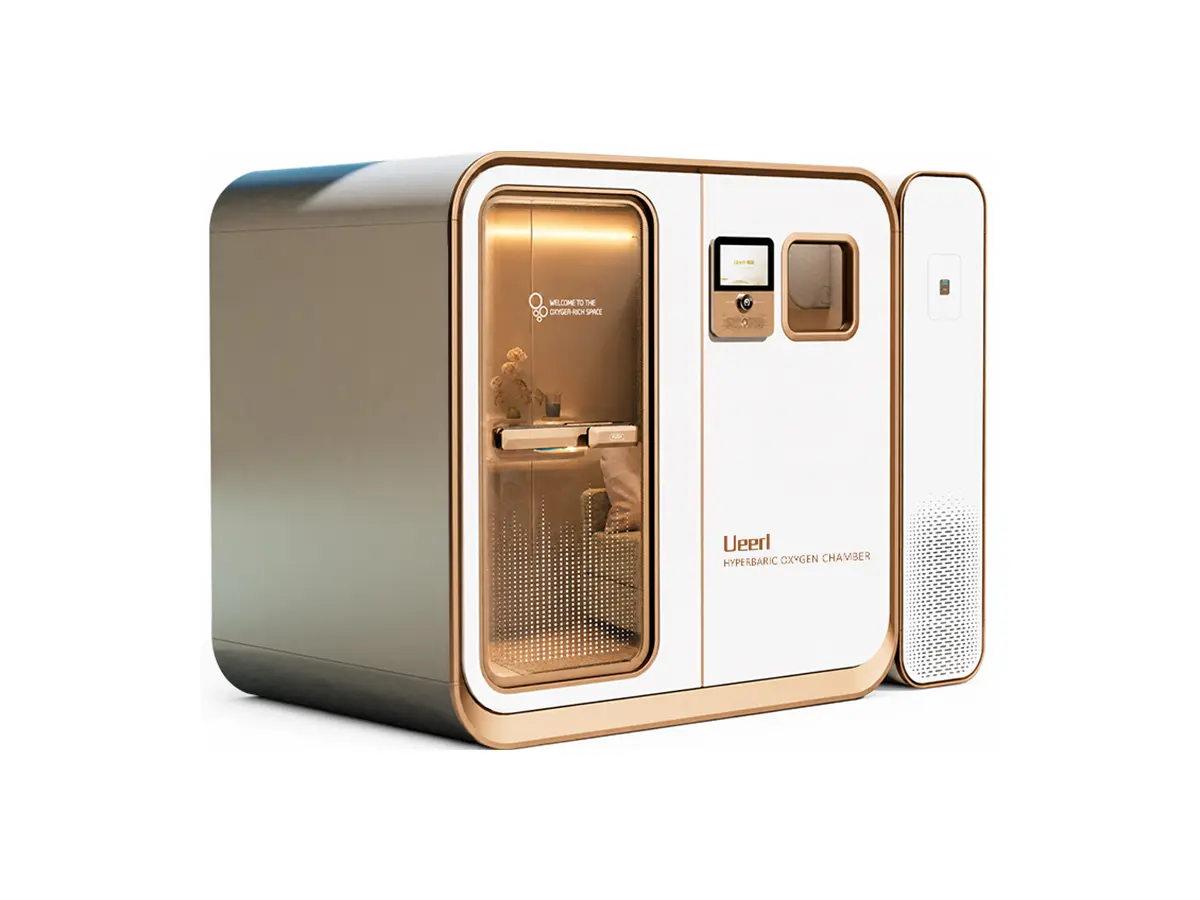
V6 Premium Two-Person
A two-person chamber for high-end private use and commercial wellness projects needing more pressure capability, shared seating, smart control, and modular installation.
Explore V6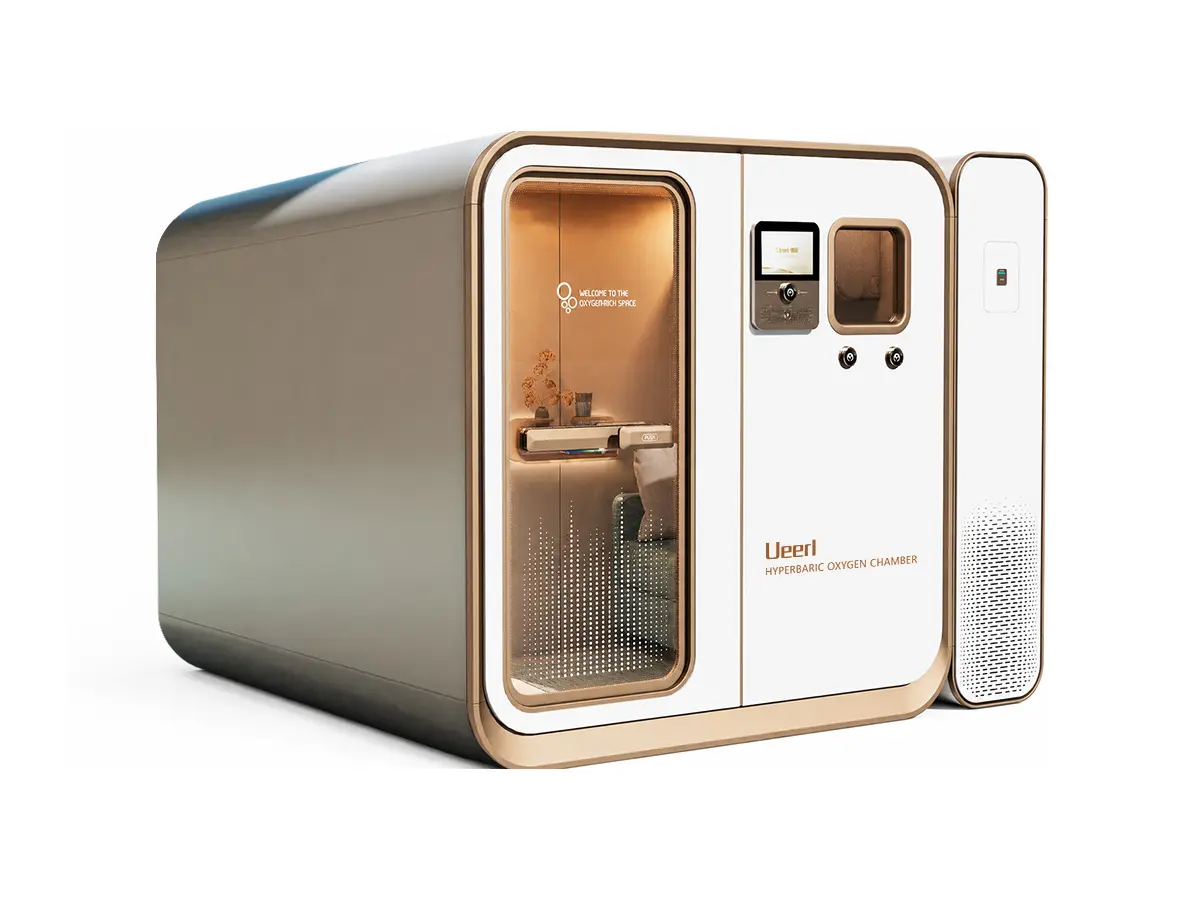
V8 Premium Four-User
A higher-capacity chamber for health centers, longevity clubs, recovery facilities, resorts, and VIP wellness projects requiring shared comfort and service capacity.
Explore V8Screening, supervision, fire controls, maintenance, and referral pathways matter
FDA’s 2025 safety communication asks providers and facilities to follow each device’s instructions, maintain fire prevention and grounding, train staff, monitor users, complete cleaning and safety checks, and manage electrical or static items according to manufacturer guidance.
Pre-use screening
Review current symptoms, procedure complications, ears, lungs, implanted devices, medication, pregnancy, and professional instructions.
Do not delay urgent care
Increasing pain, fever, wound changes, breathing difficulty, neurological symptoms, or suspected graft/flap compromise require prompt assessment.
Model-specific electronics
Use phones, tablets, laptops, charging, screens, and communication only as allowed by the selected configuration.
Fire and static control
Follow grounding, approved clothing and materials, oxygen-safety, ignition-control, and prohibited-item procedures.
Monitoring and communication
Maintain user communication, supervision, pressure control, emergency procedures, and appropriate records.
Maintenance and training
Complete cleaning, filtration, seal checks, scheduled maintenance, staff training, inspection, and supported repair.
Post-procedure recovery and chronic wellness management FAQs
Clear answers help users choose the correct pathway, avoid unrealistic expectations, and provide Ueerl with the information needed for a useful chamber recommendation.
No. Evidence and medical appropriateness differ by procedure, complication, tissue status, timing, pressure, oxygen protocol, and patient. HBOT has an established adjunctive role in selected problems such as compromised grafts and flaps, delayed radiation injury, and certain non-healing diabetic wounds. Routine use after every surgery is not established.
Medical HBOT is prescribed and supervised for a recognized indication using appropriate medical equipment and protocol. Ueerl room-style chambers are intended for wellness and general well-being and are not intended to diagnose, treat, cure, or prevent disease. Research from medical HBOT cannot automatically be applied to every wellness configuration.
Evidence and professional guidance are strongest for specific conditions rather than broad chronic wellness claims. Examples include selected hard-to-heal diabetic lower-extremity wounds, delayed radiation tissue injury, compromised grafts and flaps, and other recognized hyperbaric indications determined by a qualified team.
Yes, when the user is suitable and follows the selected chamber’s operating guidance. Room-style space, reclining seats, communication, entertainment, and shared capacity can make repeat relaxation and wellness routines more comfortable. The chamber should complement—not replace—medical care, rehabilitation, sleep, nutrition, movement, and chronic-condition management.
Some Ueerl room-style configurations can support approved personal electronics, built-in cinema, communication, and other connected functions. Permitted devices, charging arrangements, grounding, oxygen delivery configuration, and operating procedure depend on the selected model and project design.
A single-user chamber suits private, one-to-one routines. A two-person chamber can support a companion, caregiver, couple, or shared service. Four-person models provide higher capacity for health centers and premium commercial projects. Final choice also depends on pressure, access, seating, electronics, staffing, and service flow.
Review the user’s health history, ears and lungs, implanted devices, medication, pregnancy, current procedure complications, permitted clothing and items, fire and static controls, grounding, electronics, supervision, communication, emergency procedures, cleaning, maintenance, and the manufacturer’s instructions.
Share the intended users, private or commercial setting, wellness or professional service concept, capacity, preferred pressure, room dimensions, doorway and elevator access, voltage, ventilation, seating, electronics, customization, installation country, local requirements, target timeline, and budget.
Move from a general idea to a chamber plan that fits the users and the space
Send Ueerl your project details to compare single-user, two-person, and multi-user room-style chambers, pressure options, modular access, layout, entertainment, electronics, seating, customization, shipping, installation, training, maintenance, and after-sales support.