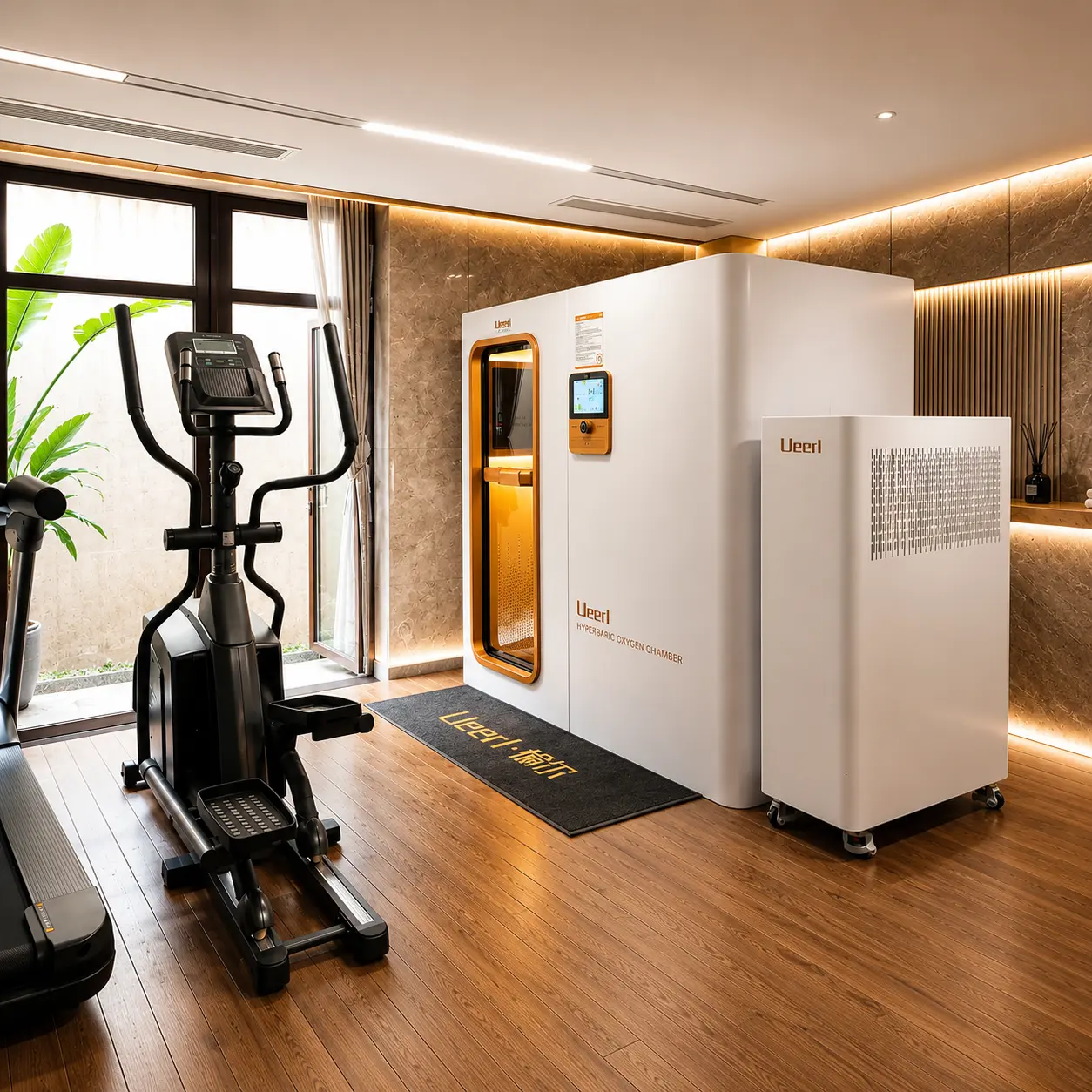
Hyperbaric Oxygen Chamber for Sports Recovery & Athletic Performance
Explore how Ueerl room-style hyperbaric oxygen chambers can support structured post-training recovery, athlete wellness, sports-facility services, travel routines, and rehabilitation programs—while keeping sleep, nutrition, hydration, training-load management, physiotherapy, and medical care at the center.

Hyperbaric oxygen should complement coaching, sleep, nutrition, hydration, mobility, physiotherapy, load management, and appropriate medical evaluation.
How may a hyperbaric oxygen chamber support sports recovery?
A hyperbaric oxygen chamber for sports recovery creates a controlled pressurized environment that can increase oxygen availability during a planned recovery session. Current research is most supportive in areas such as post-exercise lactate recovery, exercise-induced muscle-injury recovery, selected muscle-damage biomarkers, pain, fatigue, and recovery quality. For athletes, teams, gyms, and performance centers, its strongest role is as a structured recovery tool that complements training, sleep, nutrition, physiotherapy, and sports-medicine support.
Why athletes need structured recovery—not only harder training
Competitive sport repeatedly challenges muscles, connective tissue, the nervous system, sleep quality, hydration, energy availability, and mental readiness. Heavy training blocks, tournaments, long-distance travel, altitude exposure, and limited turnaround time can make recovery planning as important as the training session itself.
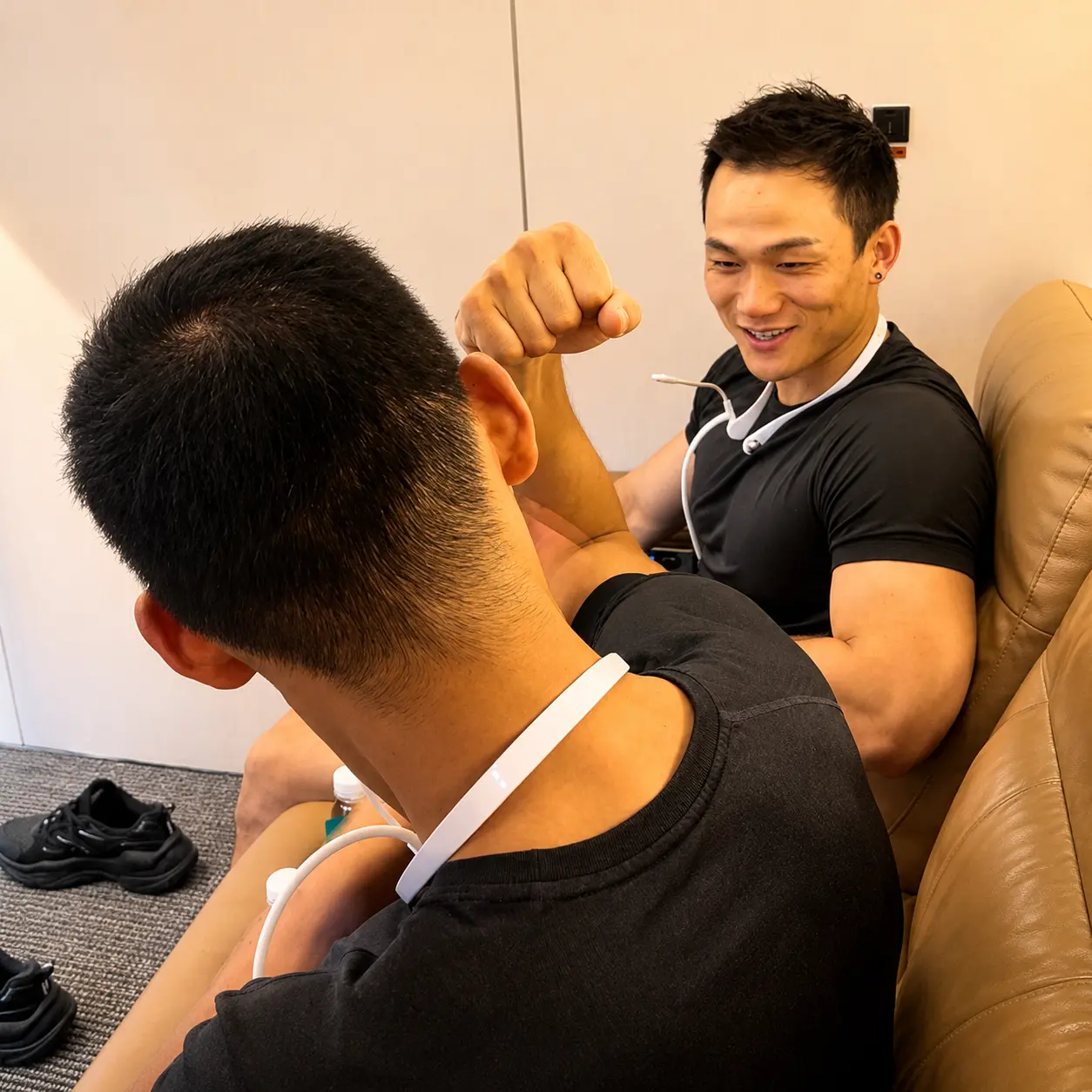
A room-style hyperbaric oxygen chamber can provide a quiet, controlled setting for scheduled recovery. Depending on the chamber model and facility protocol, athletes may rest, communicate, use approved entertainment or electronic systems, or complete low-demand activities during a session. Its role should be defined within a broader sports-performance program rather than presented as a guaranteed method for faster speed, greater strength, or automatic return to play.
- Creates a repeatable recovery window after training, competition, or travel
- Supports private one-to-one, companion, or team-based recovery experiences
- Adds a premium recovery service to gyms, clubs, clinics, and performance centers
How hyperbaric oxygen may fit into athlete recovery and performance support
These applications reflect the recovery outcomes most often explored in athlete research. The practical result depends on the athlete, sport, training load, chamber configuration, pressure, oxygen delivery, session timing, duration, frequency, and the wider recovery plan.
Structured recovery after hard sessions
A scheduled chamber session can create protected time for rest after strength work, interval training, long endurance sessions, tournaments, or multi-event competition days.
Support for selected muscle-damage indicators
Research has reported changes in some exercise-related muscle-injury biomarkers and pain measures, although protocols and results are not uniform across studies.
A calm environment for physical and mental reset
Room-style seating, controlled lighting, entertainment options, and a private setting can help athletes step away from training demands and settle into intentional recovery time.
Recovery routines during demanding schedules
Teams and traveling athletes may include chamber sessions within a broader strategy that also addresses hydration, sleep timing, nutrition, mobility, daylight, and training-load adjustment.
An adjunct within professional rehab
For selected injuries, clinicians may integrate HBOT alongside diagnosis, imaging, physiotherapy, progressive loading, and return-to-sport testing to build a more complete rehabilitation pathway.
A premium sports recovery service
A distinctive chamber experience can support membership upgrades, athlete packages, recovery-center differentiation, club services, private sessions, and partner programs.
Three ways hyperbaric oxygen can strengthen a sports recovery program
The strongest positioning connects published recovery evidence with a clear athlete experience, professional operating standards, and the right chamber configuration.
Support for selected sports injuries
Published athlete research has reported improvements in exercise-related muscle-injury markers and pain after repeated HBOT protocols. In rehabilitation settings, HBOT can be integrated with sports-medicine assessment, physiotherapy, progressive loading, and return-to-play planning.
Lactate, fatigue, oxygenation, and muscle recovery
Recent reviews and controlled studies report favorable findings in post-exercise lactate recovery, exercise-induced muscle injury, subjective fatigue, muscle-damage markers, pain, tissue oxygenation, and selected recovery measurements.
A repeatable athlete recovery experience
A Ueerl room-style chamber gives athletes a private, comfortable setting for post-training recovery, travel recovery, team programs, entertainment, communication, and supervised rest—helping facilities deliver a more complete recovery service.
Where current research shows the clearest HBOT benefits for athletes
The most persuasive evidence is centered on recovery: faster post-exercise lactate reduction, improved recovery from exercise-induced muscle injury, favorable changes in muscle-damage biomarkers and pain, and better recovery responses after repeated mild hyperbaric sessions.
Post-recovery blood lactate was significantly reduced across the pooled studies, supporting faster metabolic recovery after demanding exercise.
A 2025 meta-analysis found that HBOT significantly accelerated recovery from exercise-induced muscle injury.
After 10 sessions, the HBOT group showed lower muscle-injury biomarkers and significant improvements in pain measures.
HBOT has a credible role in structured athlete recovery
The best-supported commercial message is not “instant performance.” It is a higher-quality recovery environment that can help athletes manage repeated training stress, muscle overload, post-competition fatigue, and recovery between demanding sessions.
- Supports post-exercise metabolic recovery in selected protocols
- Supports recovery from exercise-induced muscle injury
- Has shown favorable changes in pain and muscle-damage markers
- Adds a premium, repeatable service to athlete recovery programs
HBOT supported faster metabolic recovery after exercise
The pooled analysis found a significant reduction in post-recovery blood lactate. For athletes, this supports the use of HBOT as part of a recovery strategy after high-intensity training, matches, races, and repeated competition demands.
HBOT significantly accelerated muscle-injury recovery
The review included 10 studies with 299 participants and concluded that HBOT was statistically effective in promoting recovery from exercise-induced muscle injury. This is especially relevant to performance centers, sports rehabilitation programs, and athletes managing heavy training loads.
Muscle-damage biomarkers and pain improved after repeated sessions
In a randomized study of 41 athletes with exercise-related muscular injuries, 10 HBOT sessions produced prominent reductions in creatine phosphokinase, glutamic oxaloacetate transaminase, and myoglobin. The HBOT group also showed significant improvements in pain intensity and pain interference.
Repeated mild hyperbaric sessions improved multiple recovery responses
In university male athletes, repeated mild hyperbaric oxygen sessions reduced subjective fatigue and supported faster recovery of heart rate, blood perfusion, creatine kinase, lactate, blood urea nitrogen, and selected oxidative-stress markers after cycling-induced fatigue.
Where a sports recovery hyperbaric oxygen chamber can fit
Different sports require different capacity, scheduling, privacy, session timing, staff responsibilities, recovery goals, and integration with coaching and medical teams.
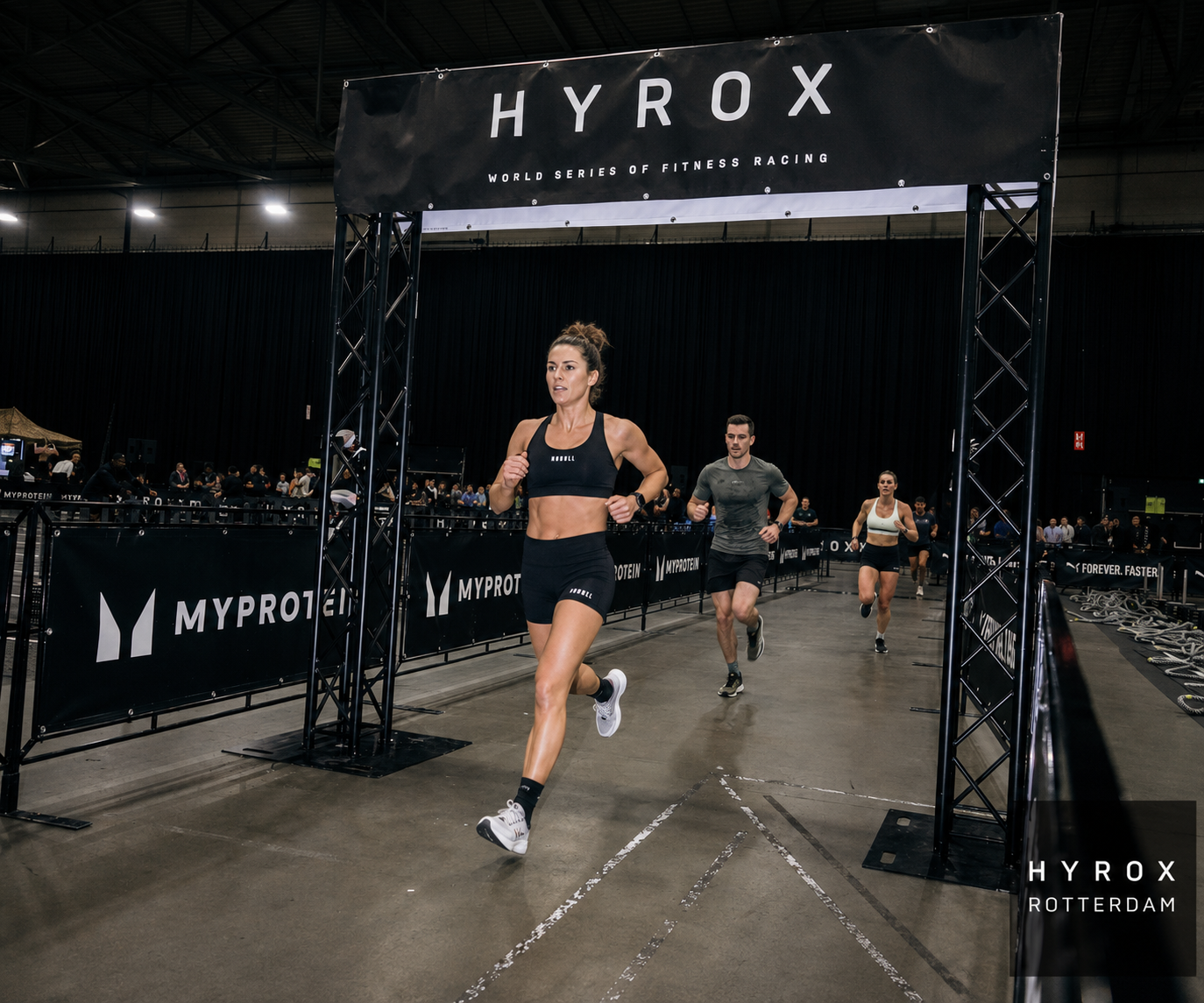
Strength, functional fitness & HYROX
Support structured recovery after heavy resistance sessions, high-volume circuits, sled work, running intervals, and competition weekends without replacing progressive programming and adequate fueling.
Best for: gyms, HYROX athletes, CrossFit-style facilities
Endurance sports
Integrate chamber access into recovery plans for runners, cyclists, triathletes, rowers, and endurance teams during high-volume training or race schedules.
Best for: endurance clubs, race camps, training centers
Team sports
Provide scheduled recovery access for football, basketball, rugby, volleyball, hockey, and other teams managing dense training and competition calendars.
Best for: clubs, academies, professional teams
Combat sports
Create private recovery sessions for boxing, MMA, judo, wrestling, and martial arts athletes while keeping concussion evaluation, injury diagnosis, hydration, and safe weight-management practices separate.
Best for: fight gyms, athlete camps, private teams
Travel, tournaments & training camps
Offer a consistent recovery environment during exhibitions, multi-city events, international travel, race weeks, and training camps alongside sleep and travel-load planning.
Best for: hotels, events, athlete villages, camps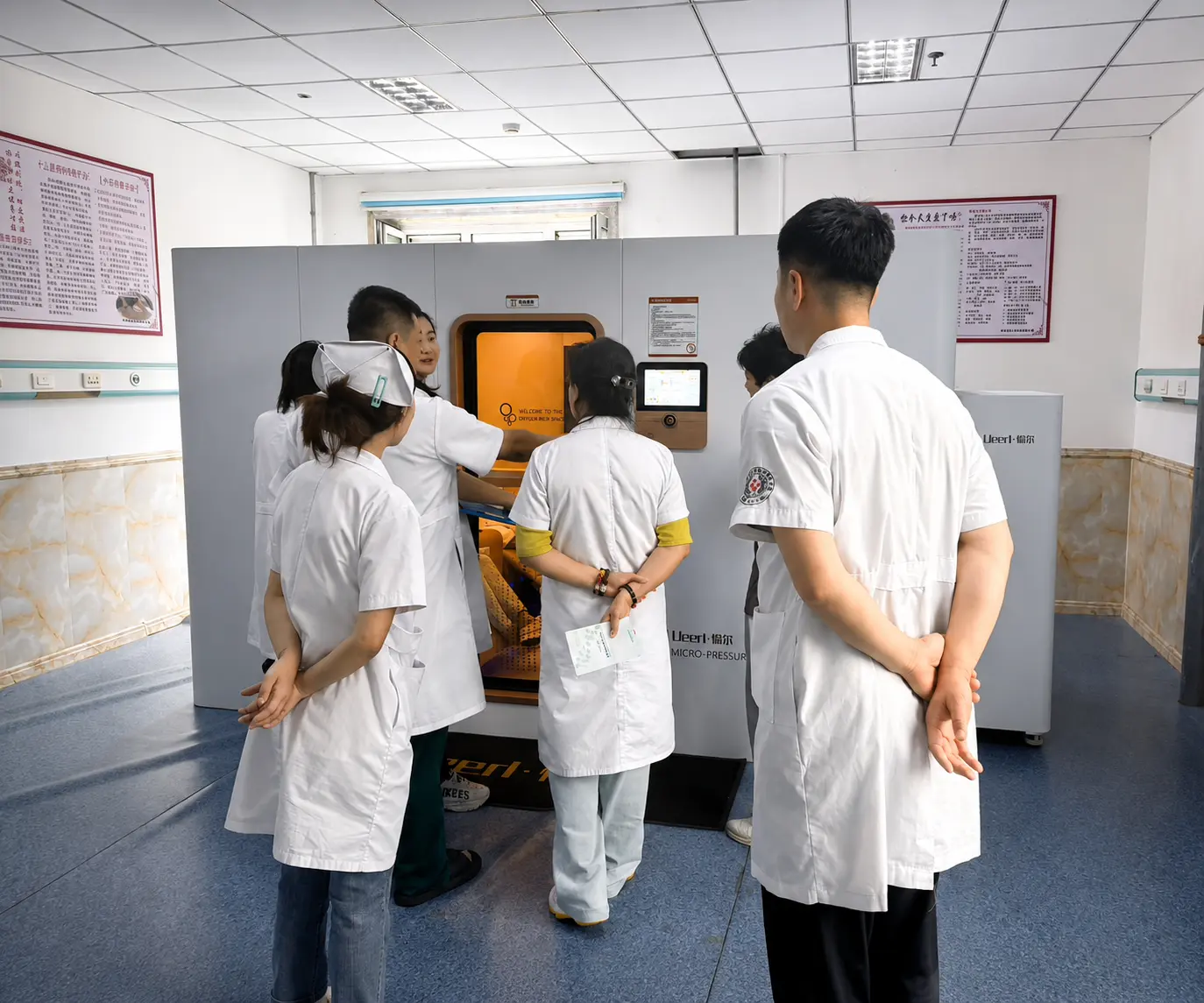
Sports medicine & rehabilitation
Use chamber sessions only within an appropriate clinical or rehabilitation framework, with clear responsibility for diagnosis, treatment goals, supervision, and return-to-sport decisions.
Best for: sports clinics, rehab centers, medical teamsHow to integrate a hyperbaric oxygen chamber into a sports recovery program
A useful program defines the athlete population, intended use, session logistics, professional responsibilities, safety controls, and realistic outcome measures before installation.
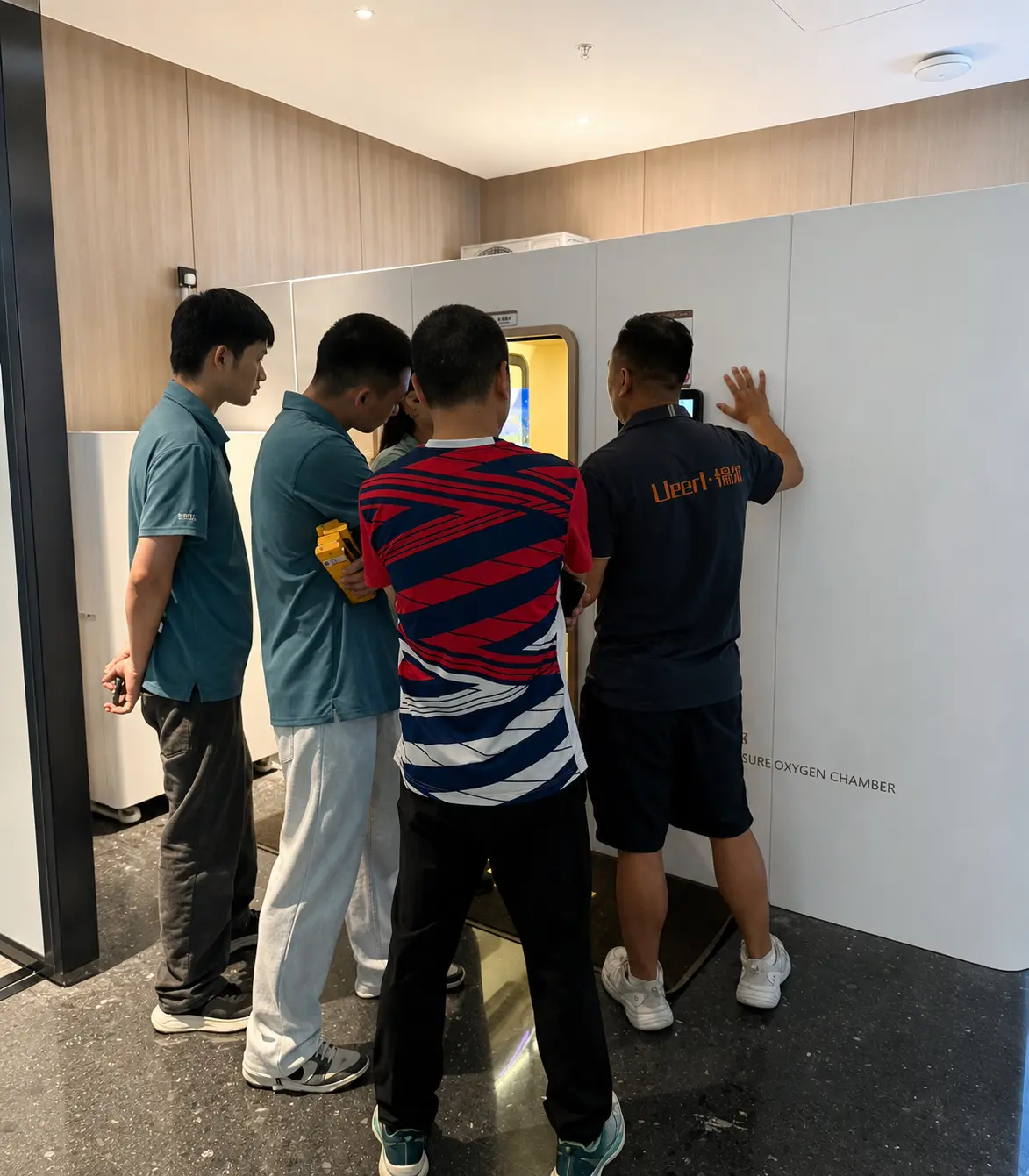
Four steps for a safer sports recovery chamber session
Pressure, oxygen delivery, session length, timing, frequency, and supervision should match the athlete, intended use, selected chamber, professional guidance, and local requirements.
Review readiness
Check current symptoms, ear and sinus comfort, recent injury, medication, medical history, training load, hydration, and whether professional clearance is needed.
Prepare the chamber
Complete equipment checks, communication setup, approved clothing and item review, seating adjustment, oxygen configuration, and session documentation.
Compress and monitor
Increase pressure gradually, support ear equalization, follow the selected protocol, and maintain communication and observation throughout the session.
Decompress and reassess
Return pressure gradually, confirm how the athlete feels, record the session, and coordinate the next meal, hydration, mobility, training, travel, or rehabilitation step.
Choose the right hyperbaric oxygen chamber for athletes and sports facilities
Final selection should consider athlete capacity, pressure requirements, intended use, privacy, staffing, room access, floor loading, power, ventilation, installation, service support, and local compliance.
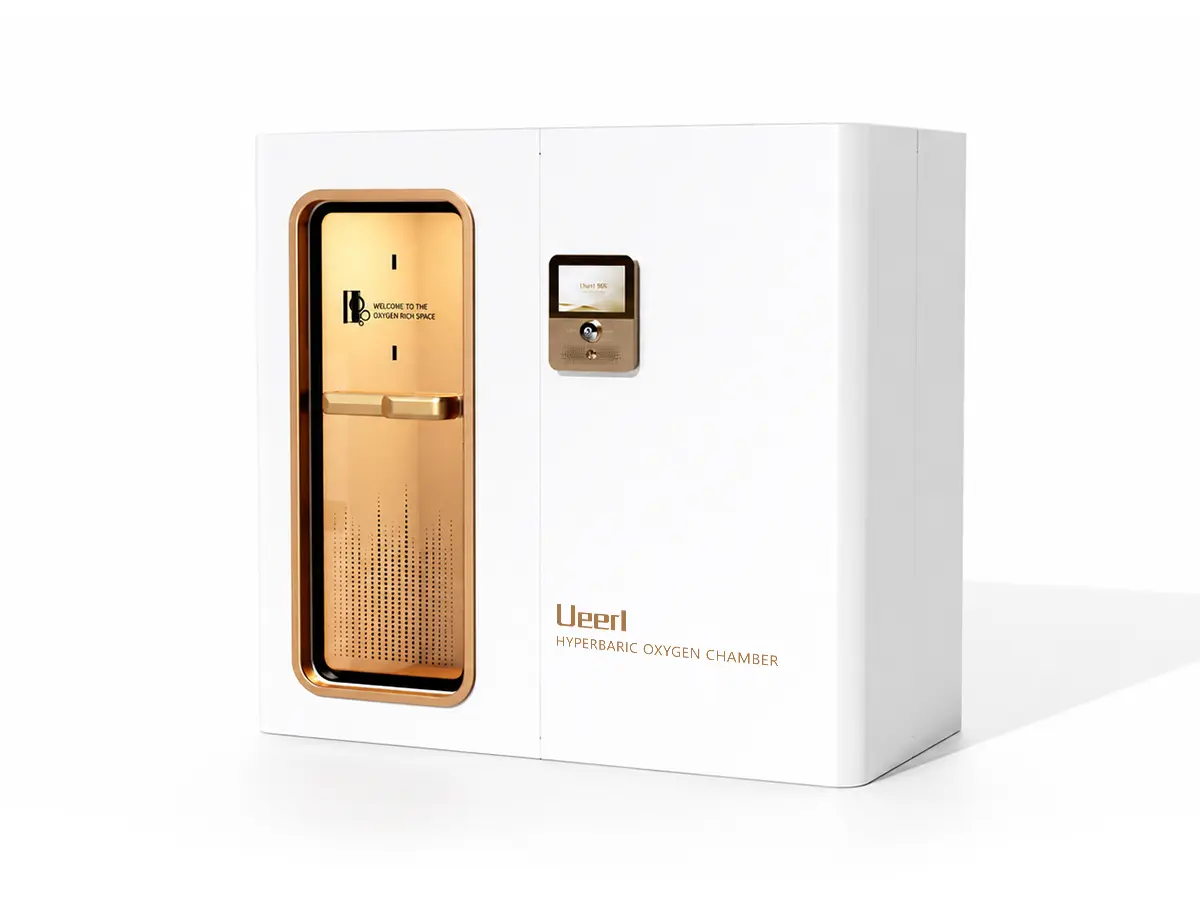
H3 Single-User Direction
A private room-style option for elite athletes, home gyms, performance suites, sports clinics, executive athletes, and facilities with lower daily capacity.
Explore H3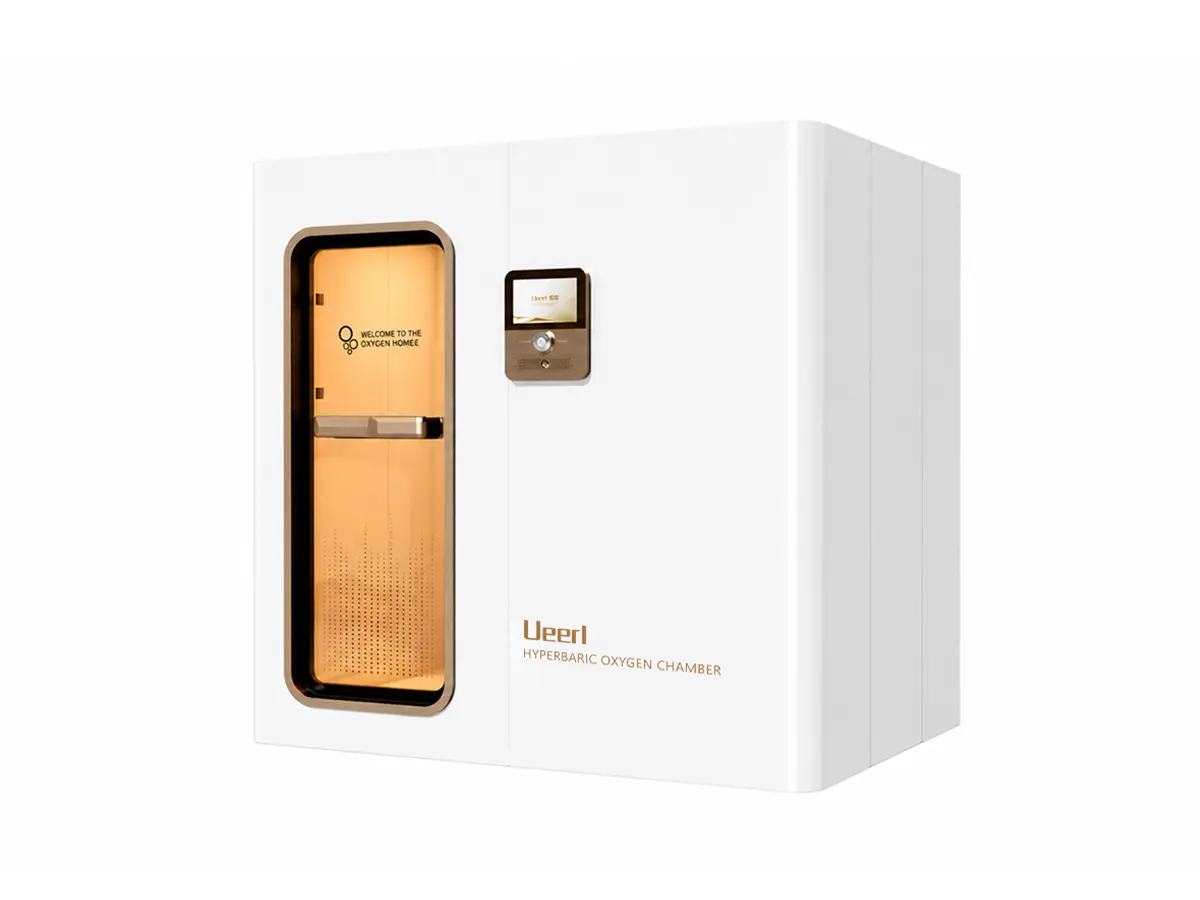
H6 Two-Person Direction
A shared chamber for training partners, coaches and athletes, couples, VIP recovery programs, boutique studios, and facilities offering premium companion sessions.
Explore H6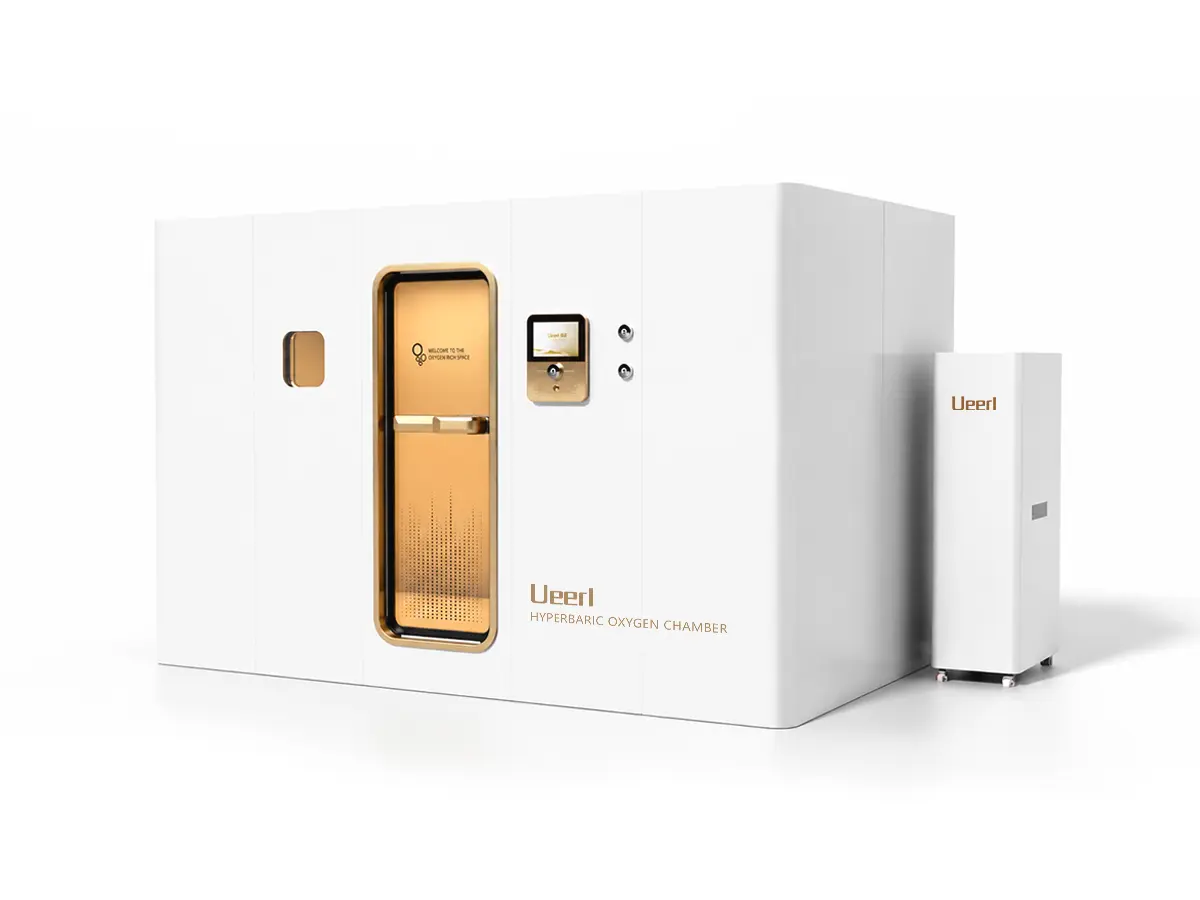
H8 Multi-User Direction
A multi-user direction for professional clubs, athlete recovery centers, large gyms, sports academies, hospitality partners, and staffed commercial programs.
Explore H8A recovery chamber needs screening, supervision, and disciplined operation
Sports convenience should never override the chamber instructions, contraindication screening, pressure safety, oxygen controls, fire prevention, equipment maintenance, or the need for medical evaluation when symptoms or injuries are present.
Sports recovery hyperbaric oxygen chamber FAQs
Clear answers help athletes, coaches, gym owners, and sports facilities understand potential value without confusing emerging evidence with guaranteed results.
Its strongest current value is recovery support. Recent research reports favorable findings for post-exercise lactate reduction, exercise-induced muscle-injury recovery, fatigue, pain, and selected recovery markers. By supporting recovery quality and training consistency, a chamber can become a valuable part of a broader athletic-performance program.
HBOT has stronger evidence for exercise-induced muscle-injury recovery than for soreness alone. Athletes may experience improved comfort as part of a wider recovery plan, while the response to delayed-onset muscle soreness can vary with training load, timing, and protocol.
There is no universal sports protocol. Frequency, timing, pressure, oxygen delivery, duration, and monitoring should match the intended use, athlete health, selected chamber, training plan, professional guidance, and local requirements.
HBOT can be integrated as an adjunct within a professional return-to-play pathway. Published athlete studies report favorable findings for muscle-injury biomarkers and pain, while diagnosis, physiotherapy, progressive loading, functional testing, and medical clearance remain the framework for safe return to sport.
Selected Ueerl room-style models can support approved electronics, communication, or built-in entertainment configurations. The exact device type, charging method, placement, grounding, and operating rules must follow the selected model instructions and facility protocol.
A single-user chamber can suit private athlete sessions, a two-person chamber can support companion or premium recovery, and a multi-user chamber may fit a staffed team or commercial center. Capacity, intended use, pressure, room access, floor loading, ventilation, power, staffing, and service support all matter.
Not automatically. Pressure, oxygen concentration, oxygen-delivery method, chamber classification, supervision, intended use, and protocol may differ. Clinical HBOT for a medical condition requires appropriate professional oversight and suitable equipment.
Share the athlete type, intended wellness or clinical context, daily capacity, preferred session model, room size, doorway and elevator access, floor conditions, voltage, ventilation, privacy needs, supervision plan, pressure requirements, installation location, design preferences, and budget.
Plan a hyperbaric oxygen chamber for your sports recovery facility
Tell Ueerl about your athletes, sport type, daily capacity, recovery goals, intended wellness or clinical use, room layout, access, pressure needs, supervision model, installation conditions, and local requirements. Our team can help compare chamber options, space planning, customization, delivery, installation, training, maintenance, and after-sales support.