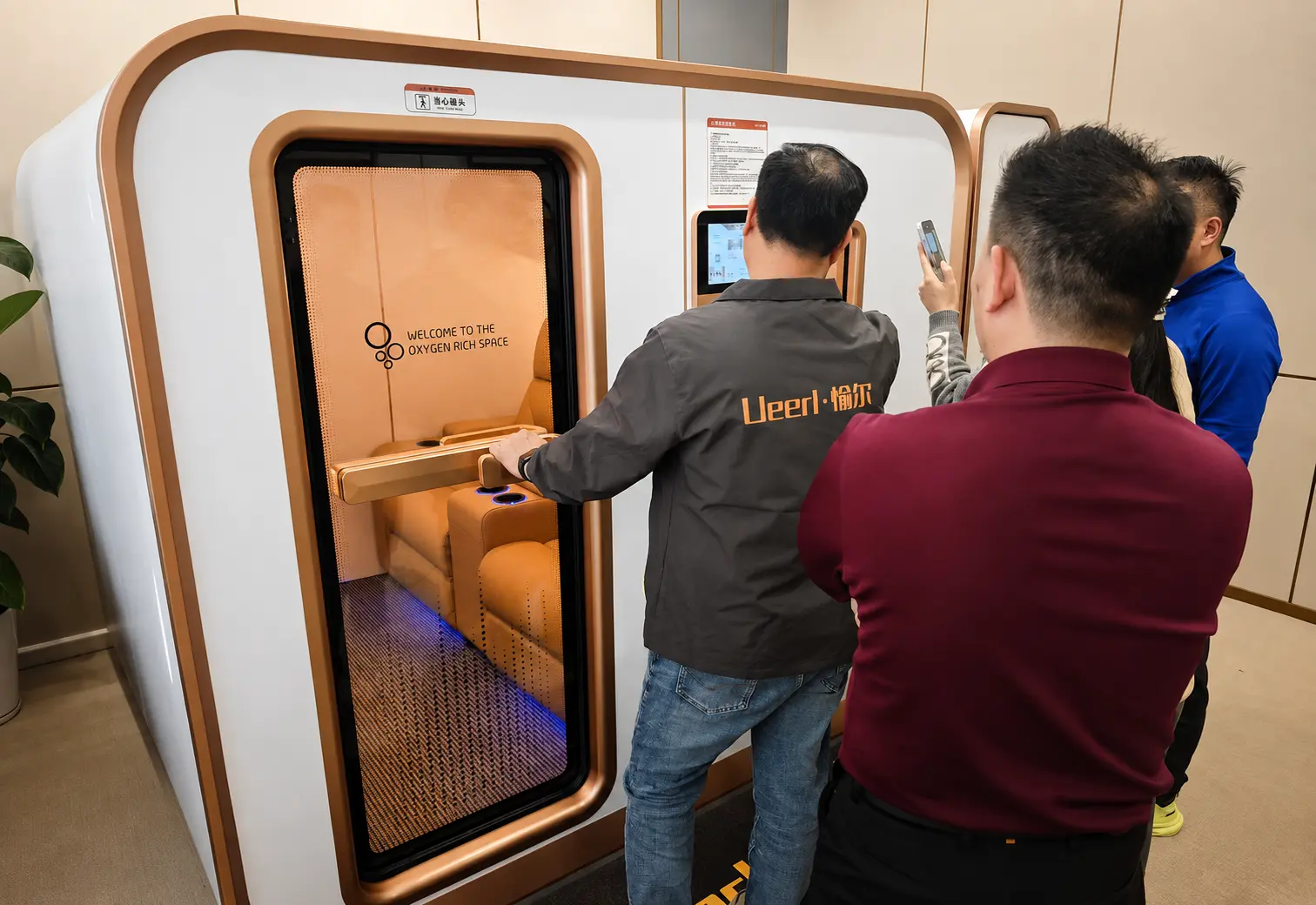
Senior Health Management
Explore how hyperbaric oxygen therapy and room-style oxygen chambers can fit into a responsible senior health strategy—supporting selected clinical care, recovery-focused routines, comfort, and quality of life under appropriate professional guidance.
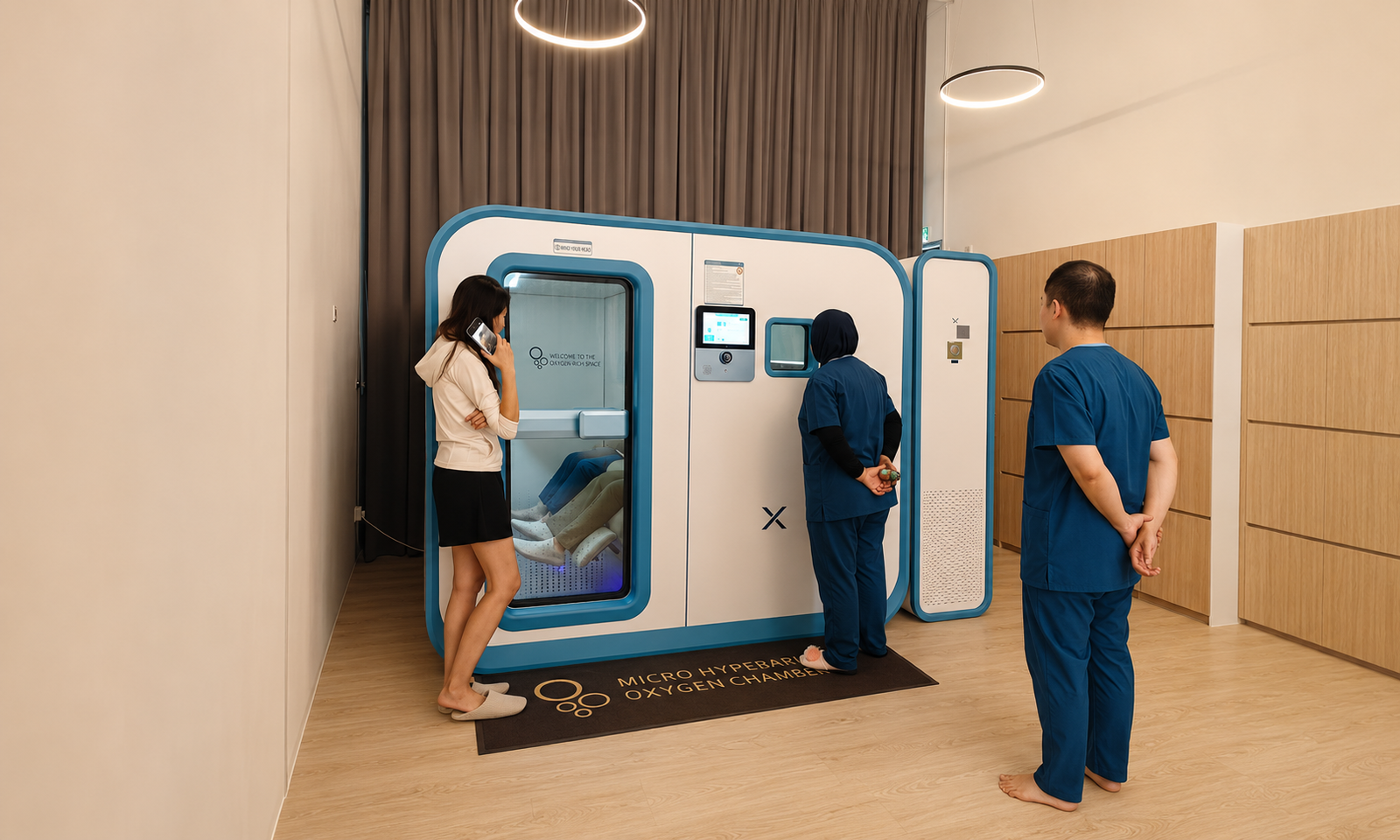
Hyperbaric oxygen should complement—not replace—medical care, movement, nutrition, sleep, medication review, and regular health checks.
What is senior health management?
Senior health management is a coordinated approach to preserving mobility, cognitive health, sleep, nutrition, medication safety, chronic-condition control, recovery, independence, and quality of life. Hyperbaric oxygen is not a complete senior-care program by itself. It may be relevant for selected physician-directed medical indications and can also provide a supervised, comfortable oxygen-wellness environment when local regulations and individual health status allow.
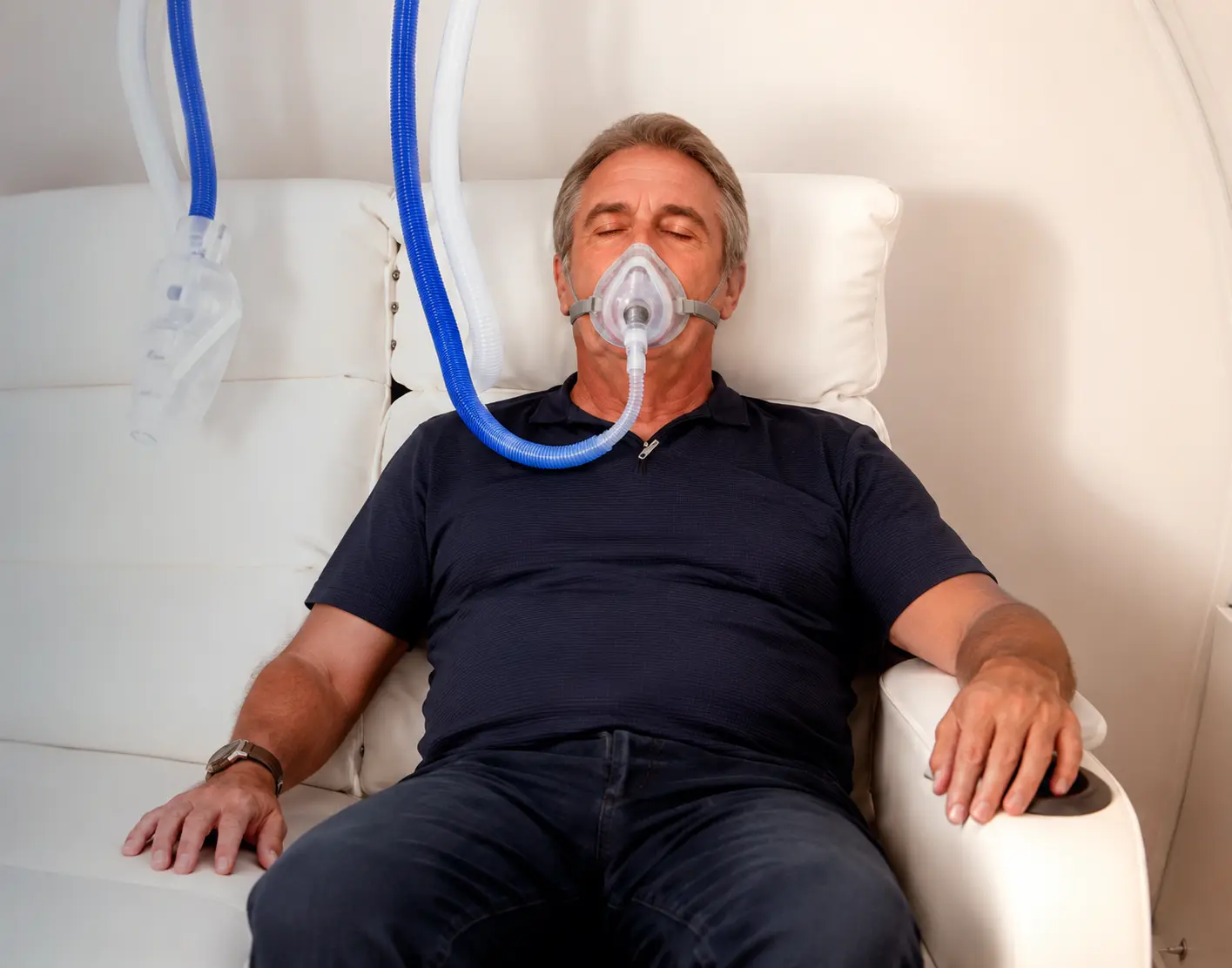
Healthy aging requires more than treating one symptom at a time
Older adults often manage several priorities at once: maintaining balance and mobility, protecting cognitive function, sleeping well, controlling diabetes or cardiovascular risks, healing after illness or surgery, and preserving independence. A useful senior health plan connects these priorities instead of treating them as separate projects.
Hyperbaric oxygen therapy increases oxygen availability under pressure during a session. In medical practice, it is used for specific conditions such as selected nonhealing wounds and radiation-related tissue injury. In a broader wellness setting, a room-style chamber may offer a calm, supervised environment for rest and recovery—but it should never be presented as a universal treatment for aging, dementia, fatigue, or chronic disease.
- Connects oxygen support with mobility, sleep, nutrition, and medical follow-up
- Prioritizes comfort, communication, simple entry, and family or staff assistance
- Separates established clinical indications from emerging longevity research
Where hyperbaric oxygen may fit within senior health management
The value of a chamber depends on the senior’s health status, goals, supervision, pressure and oxygen configuration, and whether the use is medical or wellness-focused.
Emerging brain-health research
Small studies have explored cognition and cerebral blood flow in healthy older adults. These findings are research signals, not proof that HBOT prevents dementia or reverses normal aging.
Support around rehabilitation
For suitable users, oxygen sessions may be coordinated with physiotherapy, exercise, and post-illness recovery plans. They do not replace strength, balance, or mobility training.
A calm, structured session
A quiet room-style chamber can create scheduled time for relaxation, music, reading, or rest, helping senior wellness routines feel more comfortable and repeatable.
Comfort closer to home
For eligible wellness users, an appropriately installed chamber can reduce travel burden and support family-assisted routines. Medical treatment still requires the right clinical setting and supervision.
Established selected uses
Physician-directed HBOT is recognized for selected problem wounds, including certain diabetic lower-extremity wounds, as part of a broader medical and surgical care plan.
More dignity and comfort
Spacious entry, reclining seating, temperature control, communication, and companion options can make oxygen sessions less stressful for older users and caregivers.
Three different roles—do not mix them together
Clear separation between medical treatment, emerging research, and general wellness helps families and facilities make more informed decisions.
Physician-directed HBOT
Used for specific recognized indications, such as selected nonhealing wounds, radiation tissue injury, carbon monoxide poisoning, and other defined conditions. It requires diagnosis, a treatment plan, trained staff, monitoring, and appropriate equipment.
Healthy aging and cognition
Research has examined cognition, cerebral blood flow, vascular responses, and biological aging markers. Results from small or specialized studies should not be converted into promises of dementia prevention, memory restoration, or longer life.
Supervised oxygen-rest experience
A mild room-style chamber may be positioned as a comfortable wellness environment for relaxation and recovery routines. It is not a substitute for medical treatment and must still follow screening, training, fire-safety, and operating requirements.
What reliable sources say about HBOT
This page uses cautious language because outcomes depend on the condition, protocol, pressure, oxygen dose, number of sessions, and patient selection.
HBOT increases oxygen delivery under pressure
Mayo Clinic describes HBOT as breathing oxygen in a chamber with pressure above normal atmospheric pressure. Its goal is to deliver more oxygen to tissues affected by disease, injury, or other factors.
Review Mayo Clinic overviewSelected wounds and tissue injuries are established uses
Professional hyperbaric guidance recognizes specific conditions, including selected problem wounds and delayed radiation injury. These indications require clinical evaluation and should not be generalized to all age-related health concerns.
View UHMS indicationsCognitive findings remain preliminary
A 2020 study reported cognitive changes and regional cerebral blood-flow changes after a repeated HBOT protocol in healthy older adults. The result is important for research, but one study does not establish routine treatment for cognitive aging or dementia.
View PubMed recordTraining, monitoring, maintenance, and fire prevention are essential
The FDA advises facilities to follow device instructions, maintain staff training, monitor patients, complete recommended cleaning and safety checks, and control prohibited items and ignition risks.
Read FDA safety guidanceBuild the chamber around the user journey
Access, supervision, communication, seating, companion support, room planning, and emergency procedures matter as much as the chamber’s appearance.
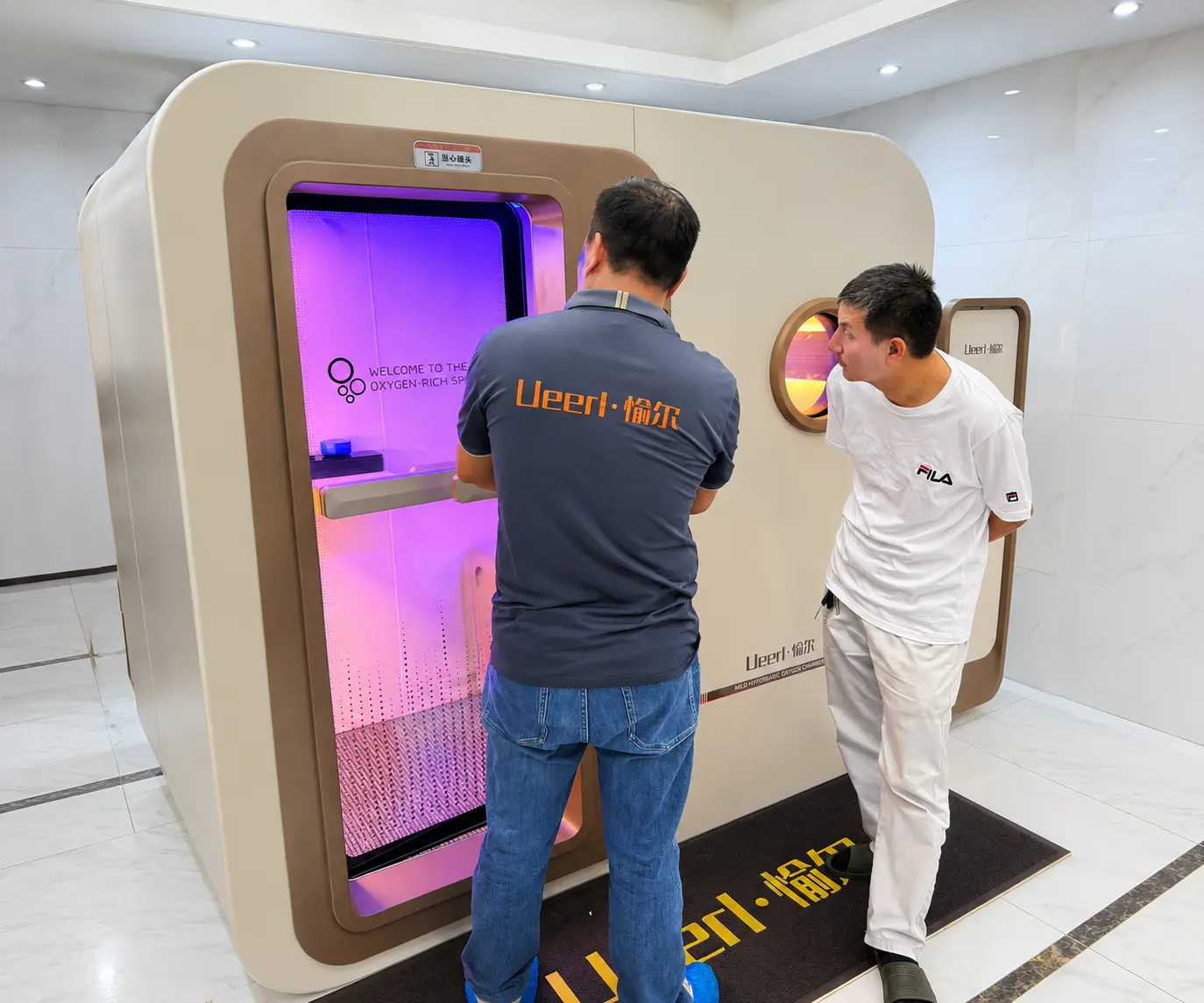
Private home wellness
A room-style chamber can be planned for an eligible older adult who values privacy, familiar surroundings, reclining comfort, family assistance, and a consistent wellness routine.
Best for: villas, homes, multigenerational residences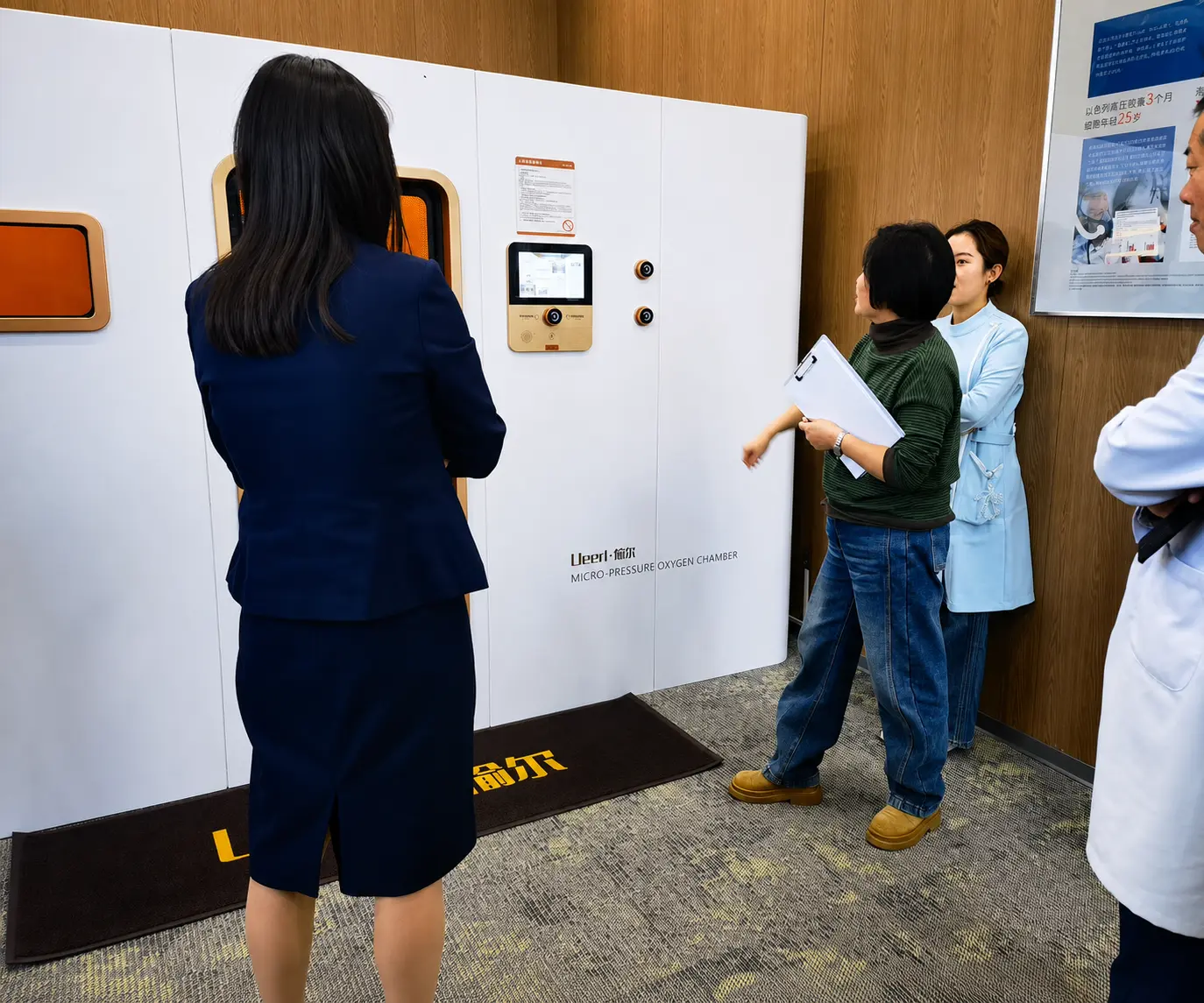
Senior health centers
Health management centers can integrate screening, staff supervision, repeatable operating procedures, and recovery services around a comfortable chamber experience.
Best for: wellness centers, senior clubs, health management facilities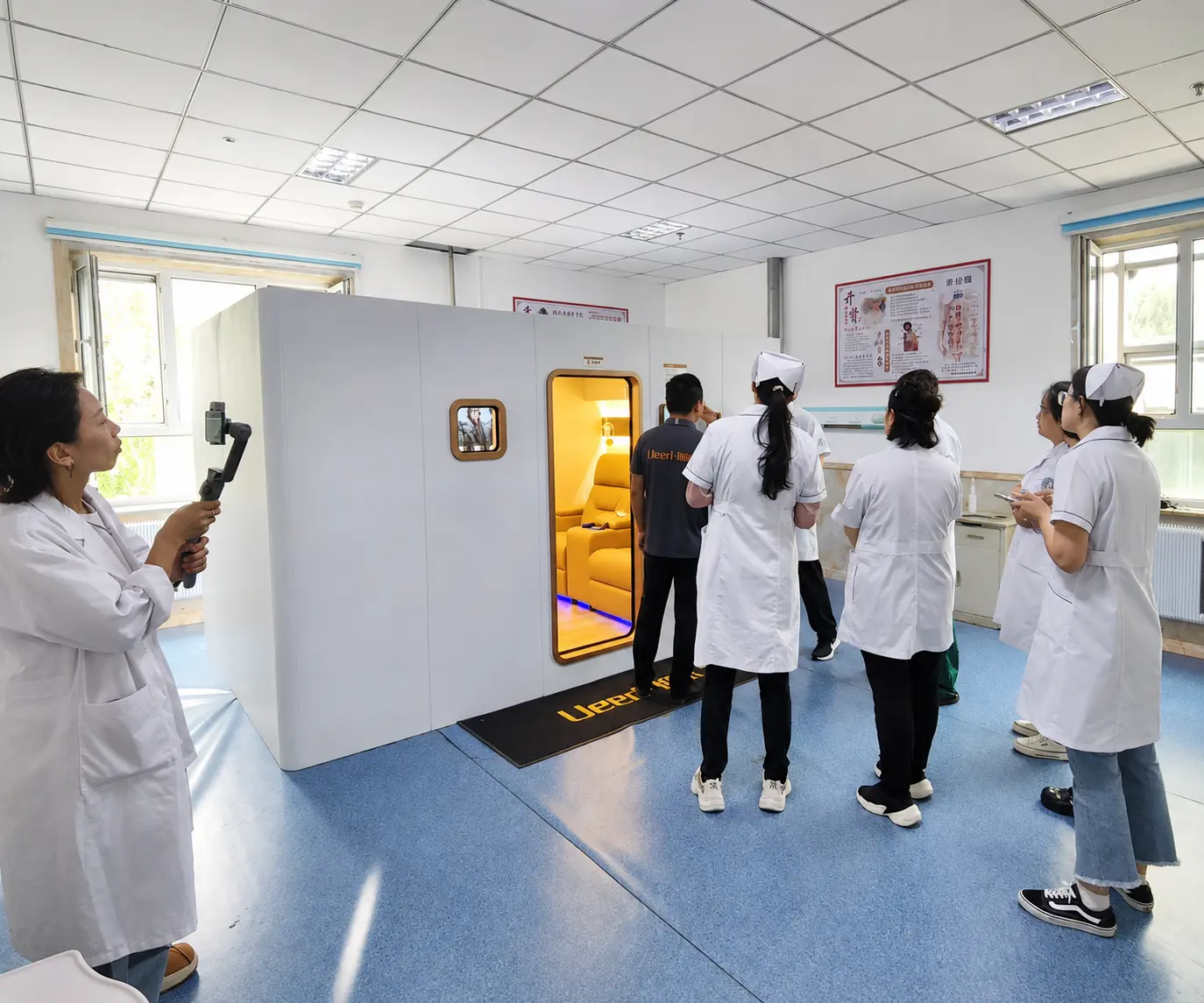
Clinical & rehabilitation programs
Qualified teams can determine whether clinical HBOT is appropriate for a recognized indication and coordinate it with wound care, rehabilitation, diabetes management, or other specialist treatment.
Best for: clinics, rehabilitation centers, supervised medical settingsComfort and usability can determine whether a routine is sustainable
Older users may need more space, slower pressure changes, clearer communication, easier entry, stable seating, temperature comfort, and assistance from a family member or trained operator.

Four steps before a senior begins chamber use
No protocol should be copied from another person. The right decision depends on medical history, medications, ears and sinuses, lung health, diabetes control, mobility, cognition, and the intended use.
Clarify the purpose
Decide whether the goal is treatment for a recognized condition, supervised recovery, or general wellness. The purpose determines the setting and level of oversight.
Complete screening
Review health conditions, implanted devices, medications, ear-pressure tolerance, respiratory issues, blood glucose risk, mobility, and anxiety in enclosed spaces.
Prepare the environment
Confirm approved clothing and items, communication, seating, transfer assistance, emergency procedures, supervision, ventilation, and fire-safety controls.
Monitor and review
Track comfort, ear symptoms, fatigue, blood glucose where relevant, and the senior’s overall response. Adjust or stop the plan when professional review is needed.
Choose around comfort, supervision, and capacity
Final selection should consider pressure requirements, intended use, local compliance, user mobility, caregiver access, room size, doorway and elevator limits, power, ventilation, installation, and after-sales support.
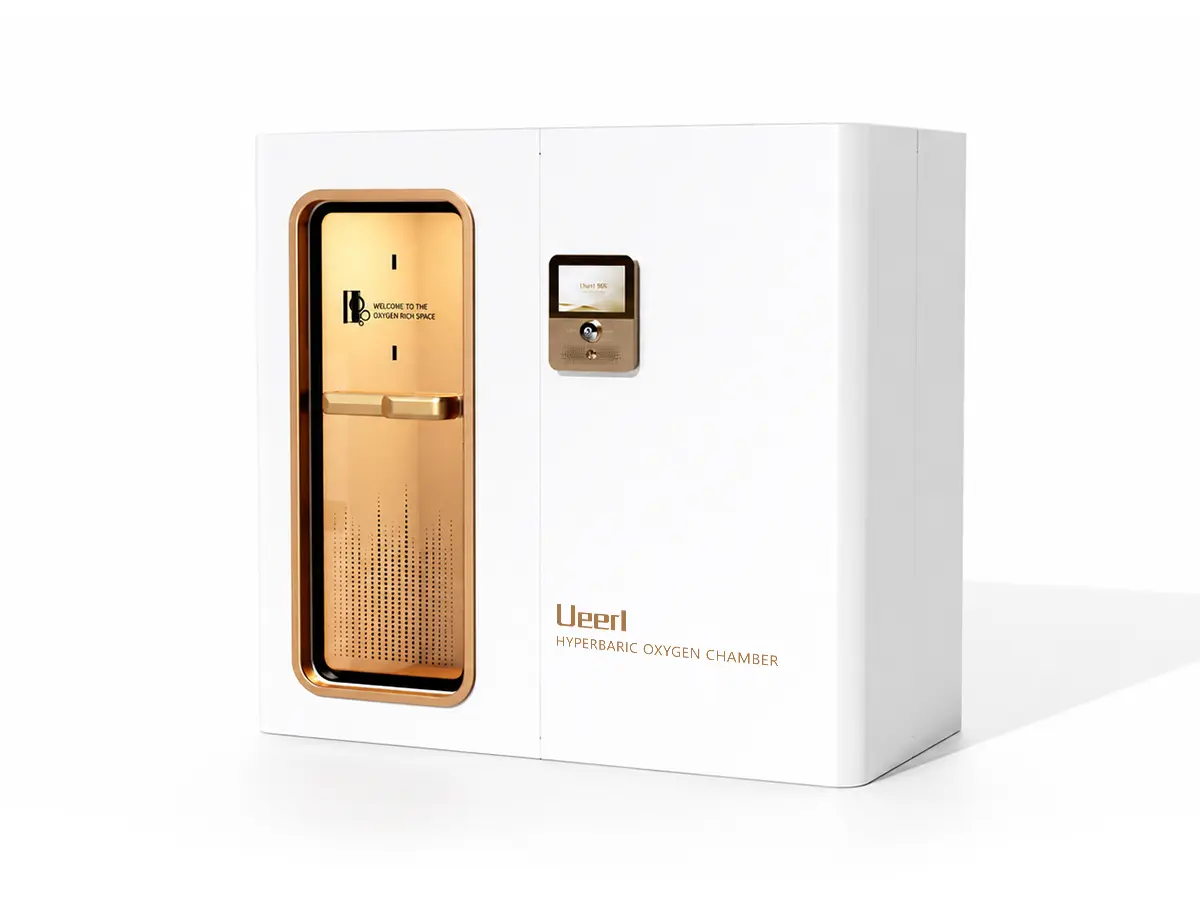
H3 Luxury Edition
A spacious single-user direction for first-time users who value gentle pressure, reclining comfort, quiet operation, and a less confined room-style experience.
Explore H3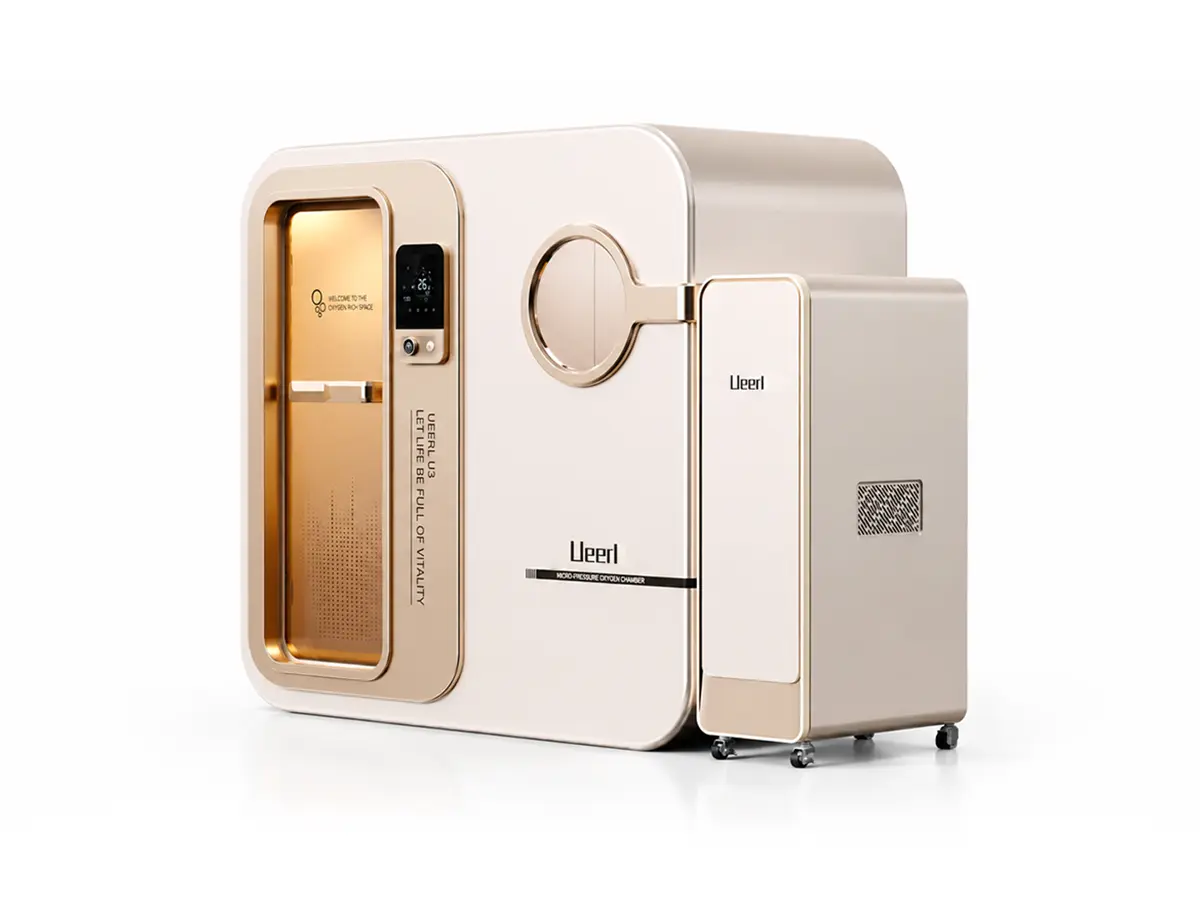
U3 Modular Edition
A design-led chamber for finished homes and wellness rooms where modular installation, simple integration, comfortable seating, and elegant appearance are priorities.
Explore U3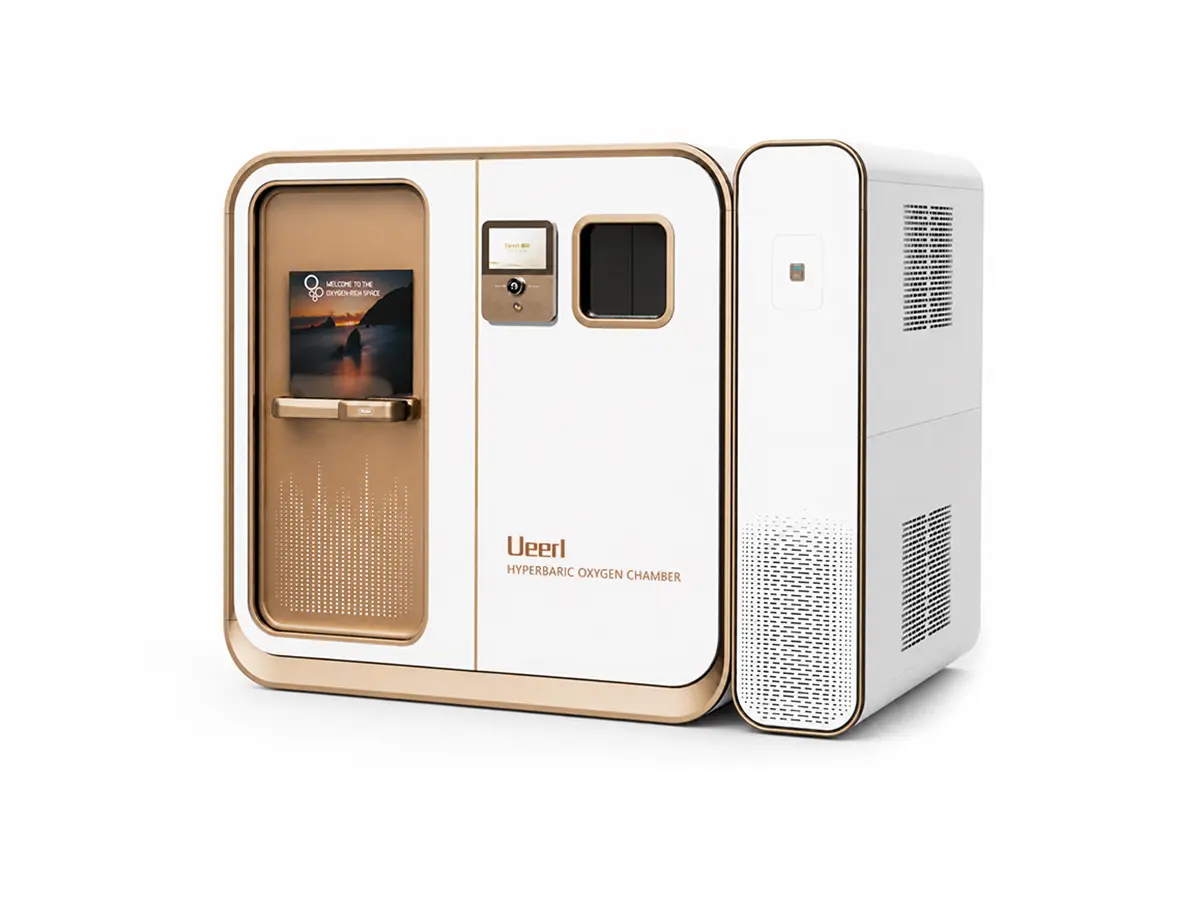
H6 Two-Person Solution
A shared room-style option for couples, family-assisted sessions, senior health centers, and facilities that need more space and a reassuring companion experience.
Explore H6Older adults may need more screening and closer observation
Age alone does not determine suitability. The decision should consider the individual’s health conditions, medication use, pressure tolerance, mobility, cognition, and ability to communicate symptoms.
Senior health management and hyperbaric oxygen chambers
These answers distinguish recognized clinical HBOT from emerging research and wellness-oriented chamber use.
No. Age does not automatically make someone suitable or unsuitable. The purpose of use, medical history, lung and ear health, medications, diabetes control, implanted devices, mobility, cognitive status, and local rules all need to be considered.
Current evidence does not justify promising dementia prevention or memory restoration. Small studies have explored cognitive function and cerebral blood flow in older adults, but these findings require confirmation and should not replace established assessment and care.
Recognized indications include selected problem wounds, certain diabetic lower-extremity wounds, delayed radiation tissue injury, carbon monoxide poisoning, decompression sickness, and other specific conditions. A qualified clinician must determine whether HBOT is appropriate.
Some room-style chambers are installed in private wellness spaces, but home wellness use is not the same as hospital HBOT. Suitability, supervision, pressure, oxygen delivery, installation, fire safety, training, maintenance, and local regulations must all be addressed.
It can be helpful when a spouse, family member, caregiver, or companion experience is important. The larger cabin may feel less confined, but capacity alone does not determine medical suitability or the correct protocol.
Important features may include spacious entry, stable reclining seating, internal and external controls, reliable communication, gradual pressure adjustment, temperature and airflow comfort, emergency procedures, quiet operation, modular installation, and service support.
There is no universal senior protocol. Medical session number depends on the diagnosis and treatment plan. Wellness schedules should not copy clinical research or another user’s routine; pressure, oxygen method, duration, frequency, and monitoring must fit the individual context.
Start with the intended use, user capacity, pressure requirement, mobility and caregiver needs, room size, doorway and elevator access, local compliance, ventilation, power, installation, training, maintenance, and budget. Ueerl can compare single-user, two-person, modular, and customized room-style solutions.
Choose comfort, safety, and long-term support—not only pressure
Tell Ueerl about the intended users, medical or wellness context, room size, doorway and elevator access, mobility needs, companion requirements, pressure range, design preferences, and local installation conditions. Our team can help compare chamber options, customization, delivery, training, maintenance, and after-sales support.